End Of Lease Pest Control Sydney
Handing back a commercial premises comes with a list of obligations, and pest control is one that often gets left until the last minute. A pest issue discovered at the final inspection can hold up your make good sign-off, delay the bond release and create friction with the landlord. At All Pest Free, we provide straightforward end of lease pest treatments for tenants and landlords right across Sydney.
Handing back a commercial premises comes with a list of obligations, and pest control is one that often gets left until the last minute. A pest issue discovered at the final inspection can hold up your make good sign-off, delay the bond release and create friction with the landlord. At All Pest Free, we provide straightforward end of lease pest treatments for tenants and landlords right across Sydney.
Here is how we help you hand the premises back clean:
Why is End of Lease Pest Control Important?
When a commercial lease ends, the premises are expected to be returned in the condition recorded at the start of the lease, allowing for fair wear and tear. Pests are a common sticking point at this stage, since an active issue counts against the cleanliness and condition the make good clause calls for. A treatment carried out before the final inspection protects your position and keeps the handover moving smoothly.
The risk is easy to underestimate, as many pests stay out of sight until well after you have vacated. Eggs and larvae can sit quietly in carpet, joinery and floor gaps during the move-out, only to emerge once the space is empty. Acting before you return the keys is the surest way to avoid a make good dispute later.
The Pests Commonly Discovered in an End of Lease
While any pest can surface at changeover, certain ones appear far more often in premises being vacated. Spaces that have allowed pets, stored food, or sat occupied for a long stretch tend to share the same recurring issues. Over many end of lease jobs across Sydney, our team has dealt with the same familiar culprits.
Here are the pests we treat most:
- Fleas: Fleas are a frequent end of lease concern, particularly in premises where pets have been present, such as pet-friendly retail or office spaces. Adult fleas live on the animal, but their eggs drop into carpet, skirting and floor cracks, where larvae develop unseen. Their pupae can lie dormant for weeks before hatching, which is why a space can appear clear at handover yet erupt with fleas once the next tenant moves in.
- Cockroaches: Cockroaches readily settle into kitchens, amenities and wall cavities during a tenancy. Highly resilient, they flatten their bodies to slip into tight gaps and feed on food residue and organic waste, spreading bacteria across surfaces as they travel.
- Rodents: Mice and rats often establish themselves in roof voids, storerooms and subfloors, drawn by food scraps and sheltered nesting spots. Their constant gnawing can damage wiring and stock, and they breed quickly while staying hidden from view.
- Ants: Ants are persistent visitors to kitchens, break rooms and storage areas, where crumbs, spills and moisture supply everything a colony needs. Once a trail forms, they keep returning until the food source and the nest are properly dealt with.
What are the Pest Compliance Standards for End of Lease Pest Control?
At the close of a commercial lease, the governing expectation comes from the make good clause, which requires the tenant to return the premises to the condition recorded at the start of the lease, fair wear and tear aside. Leaving the space clean and pest-free forms part of meeting that obligation, so where a treatment is needed, our work is carried out with the make good standard in mind.
Section 133A of the Conveyancing Act 1919 (NSW) sits behind this as a statutory control, limiting what a landlord can recover for a breach of repair-type obligations. The onus most often falls on the tenant to address pest issues arising from their occupancy. Booking a professional treatment and keeping the receipt gives you clear proof at the final inspection, and our team applies every solution safely.
How Integrated Pest Management (IPM) Keeps the End of Lease Compliant
Integrated pest management, or IPM, is a structured method that draws together a range of tools and techniques. Rather than reacting once pests appear, it works to remove the conditions that let an infestation take hold. The approach combines physical, biological, chemical and cultural controls to manage the problem from several angles at once.
Within an IPM plan, chemical treatments are usually held back as a last resort. Our technicians lean first on physical measures and careful monitoring to bring numbers down. Choosing this route resolves the issue sooner while keeping any chemical use to the minimum the job genuinely calls for.
How Our End of Lease Pest Control Process Works
At All Pest Free, we understand that a pest problem at changeover adds stress to an already busy exit. That is why every step we take is designed to leave the premises in the condition your make good clause expects. On each visit, our technicians arrive with advanced detection tools and proven treatment methods.
Here is how our process works:
Our Pest Control Inspection Process
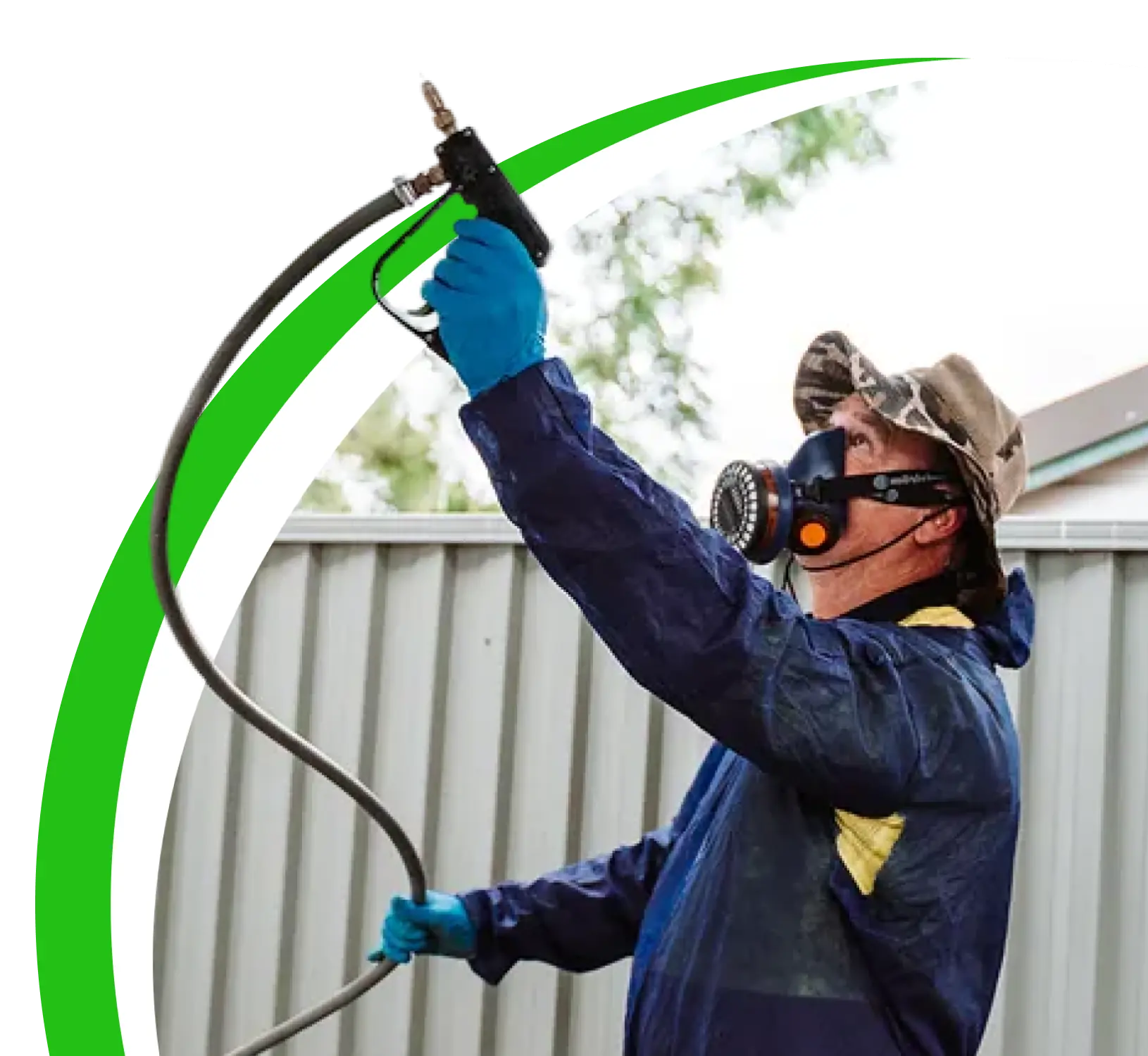
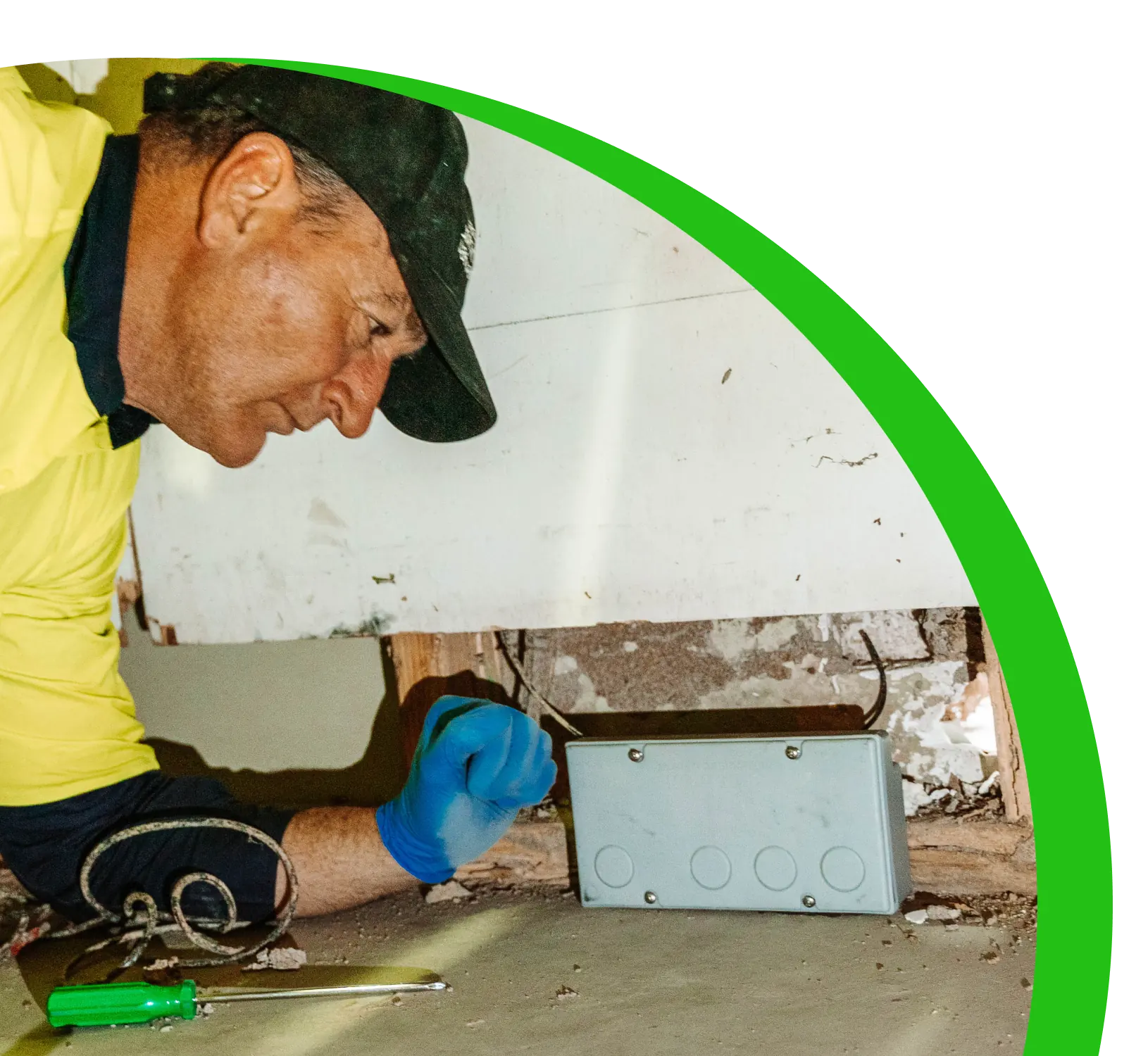
Once we arrive at the premises, our technicians carry out a pest inspection using advanced detection equipment. We work methodically through the whole space so nothing is missed, from carpeted floors and amenities to kitchens, storerooms and subfloors. This sweep shows us where pests are active and how far the problem has spread.
The End of Lease Pest Solution
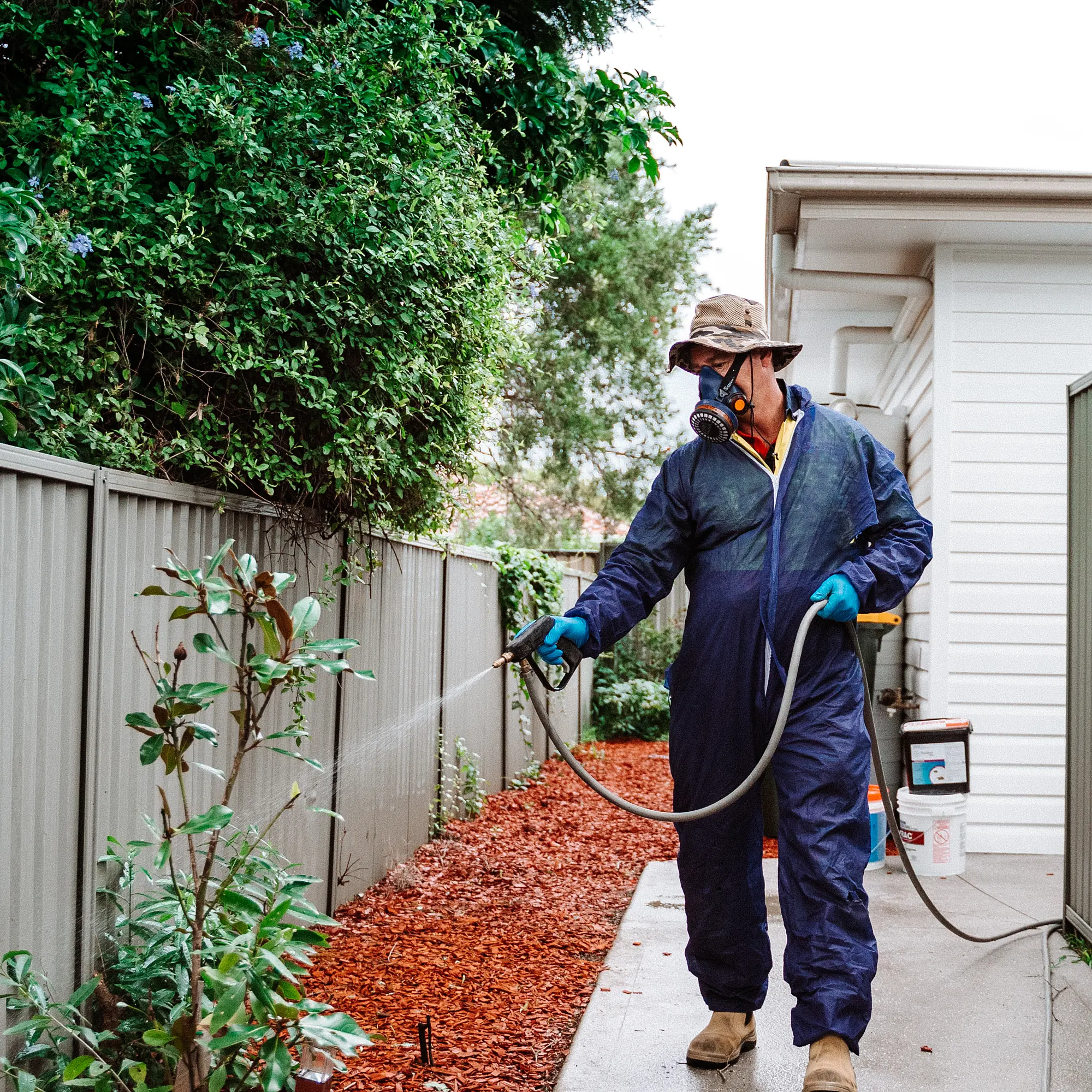
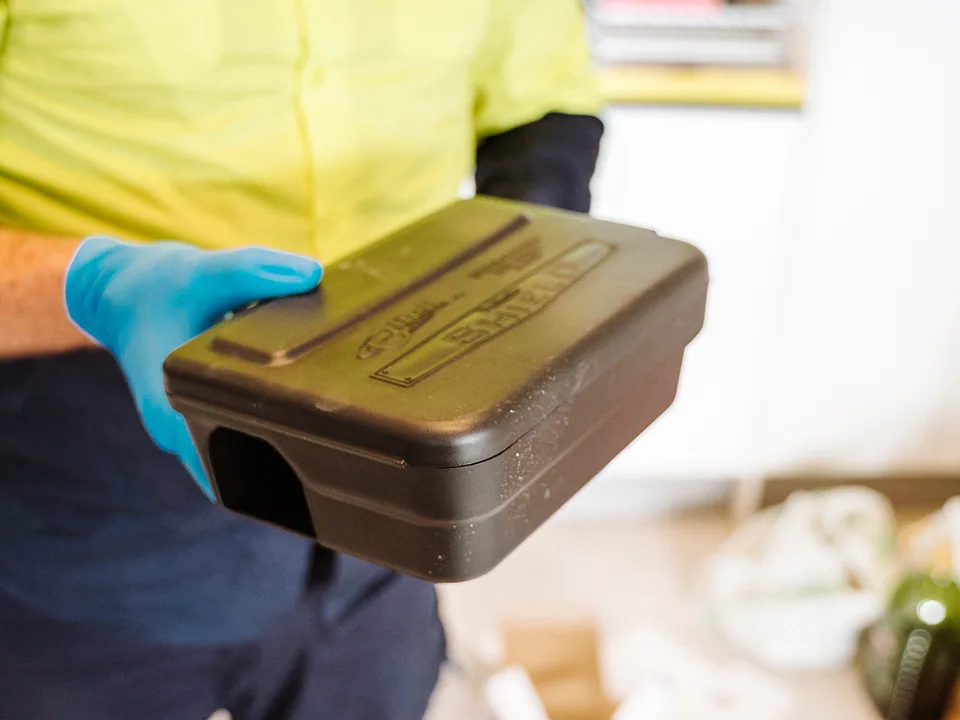
Each solution we apply is guided by integrated pest management. After confirming the species present, the affected areas and the level of activity, we shape a treatment to suit. Depending on what we find, this might involve a targeted flea treatment of carpets and skirting, baiting and trapping for rodents, or sanitation to remove what cockroaches rely on.
Preventative Pest Control Solutions
Prevention sits at the heart of any sound IPM plan, so keeping pests from returning matters as much as clearing them. Our technicians find and seal the entry points unique to the premises, whether cracks, gaps around pipes or worn door seals. From there, we layer in further measures, such as removing food sources and treating exterior zones.
Follow-through
After treatment wraps up, we provide practical advice tailored to the premises to help keep pests away. Since some pests can return, we will often arrange a follow-up visit based on the outcome. Should any questions come up between visits, our team is always glad to help.
How Do You Determine Who’s Responsible for the End of Lease Pest Control?
Responsibility for pest control at the end of a lease depends on how and when the problem arose, and on what the make good clause sets out. The split between tenant and landlord is not always obvious, so it helps to understand where each party usually stands before the final inspection.
- Tenants: Tenants are generally responsible for pests that develop during the tenancy through their own use of the premises, such as fleas from a permitted pet, or pests drawn in by an unclean environment. In some cases, the landlord may include a “pet clause” within the initial contractual agreement. As a general rule, you’re obligated to keep the property in the same condition that it was purchased in.
- Landlords: Landlords are generally responsible for any pest issue that existed before the lease began, or one caused by the building itself, such as structural gaps or disrepair that let pests in. These sit outside the tenant's make good obligation, since they do not arise from the tenant's own occupancy or use of the premises.
*Please note that the above is a general overview of who is responsible for the end of lease pest control. It’s best to consult with your landlord for further information regarding the contractual agreement.
Proven Pest-free Results to Several Sydney Businesses
End of lease pest control looks different to a standard call-out, since the work is tied to a deadline and a make good inspection. If a pest issue is left untreated, it can stall your sign-off and hold up the return of your security. At All Pest Free, we are here to leave the premises clean, compliant and ready for the next tenant.
Every job opens with our thorough inspection, so you can have real peace of mind. We use advanced equipment such as infrared imaging to give an accurate read on what is happening throughout the premises. When pests are found, our experienced technicians have the skills to manage them properly.
Protect Your Handover with Our Sydney Pest Control
Your handover is in capable hands with our technicians, which means there is no need to let a pest issue jeopardise your make good. At All Pest Free, we provide targeted, compliant end of lease pest control right across Sydney. Whatever the size of the problem, our team has the expertise to bring it under control.
Contact our team of experts today!