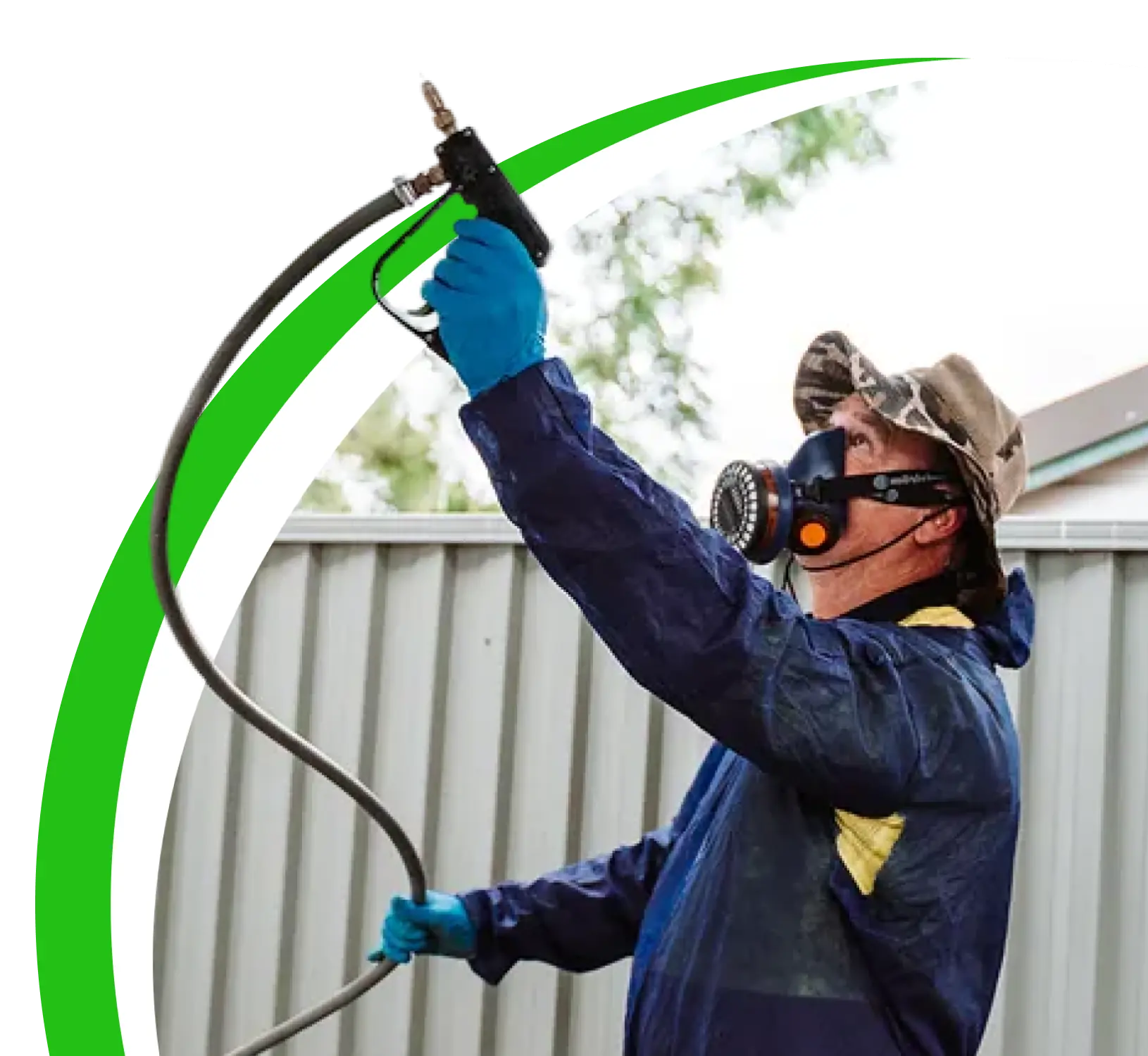

Termite Inspections Sydney
Few pests cause as much damage as termites, and they do it quietly. Often working unseen within timber and walls, a colony can compromise the structure of a property long before any signs appear at the surface. At All Pest Free, our Sydney inspections are detailed and methodical, examining the areas where termites are most likely to be at work so you can protect your property with confidence.
Few pests cause as much damage as termites, and they do it quietly. Termite colonies eat through timber from the inside. By the time you see damage on the surface, they may have been active for months. At All Pest Free, our Sydney inspections are detailed and methodical, examining the areas where termites are most likely to be at work so you can protect your property with confidence.
Why a Termite Presence Demands a Prompt Response
Termites are widely regarded as the most destructive pest a property can face, and the reason comes down to how they operate. A colony feeds continuously on timber, hollowing out beams, flooring and framing from the inside while leaving the surface looking untouched. Because the damage develops out of sight, many property owners only discover a problem once it has become significant and costly to repair.
The longer termites go undetected, the more damage they cause. Don't wait for signs to appear — book a routine inspection once a year to catch any activity early.
How We Inspect for Termites Thoroughly
Termites are drawn to timber, warmth and moisture, so a proper inspection covers every part of the property where those conditions exist. We work through each zone carefully, knowing that activity in one area often points to risk in another.
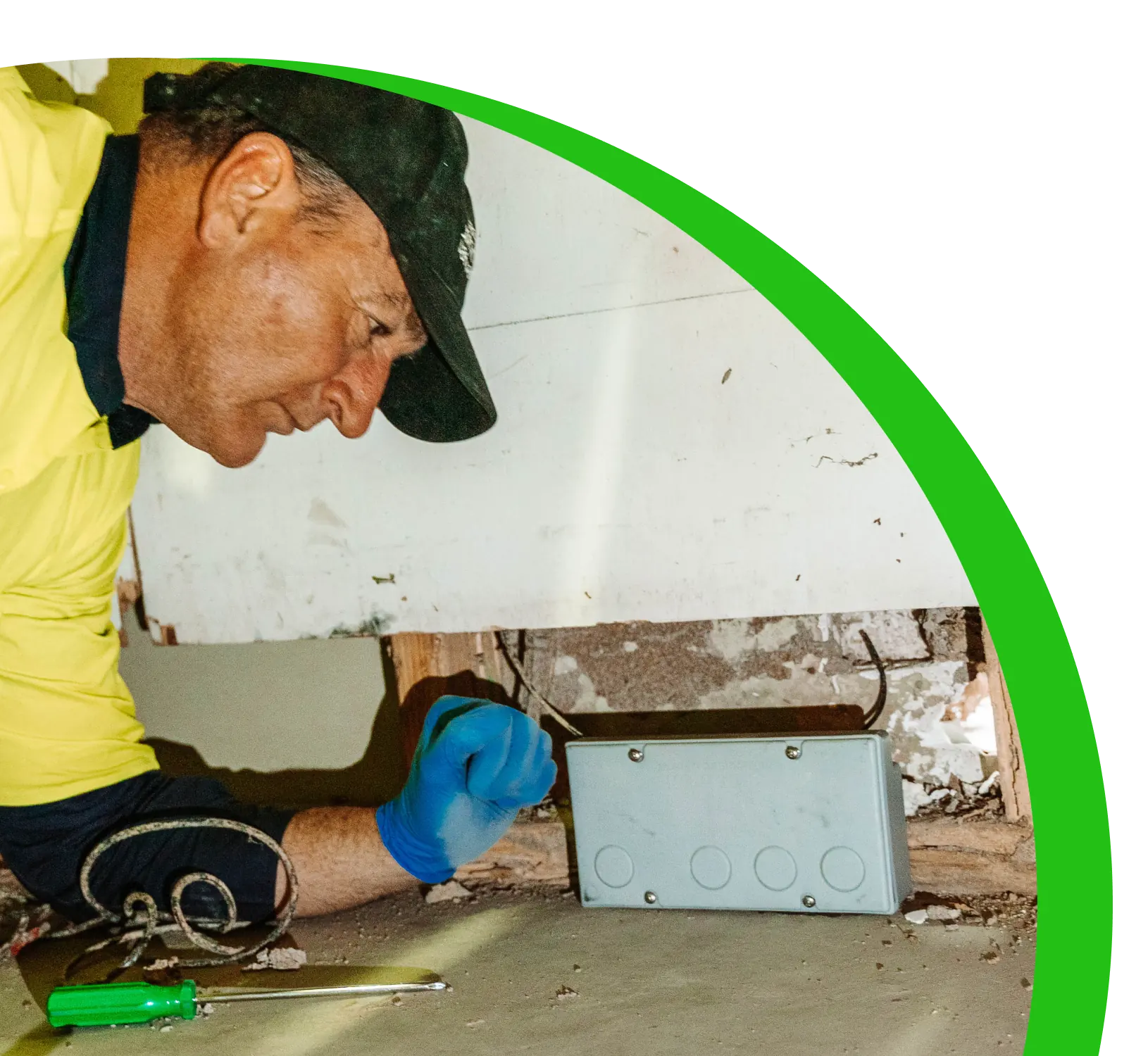
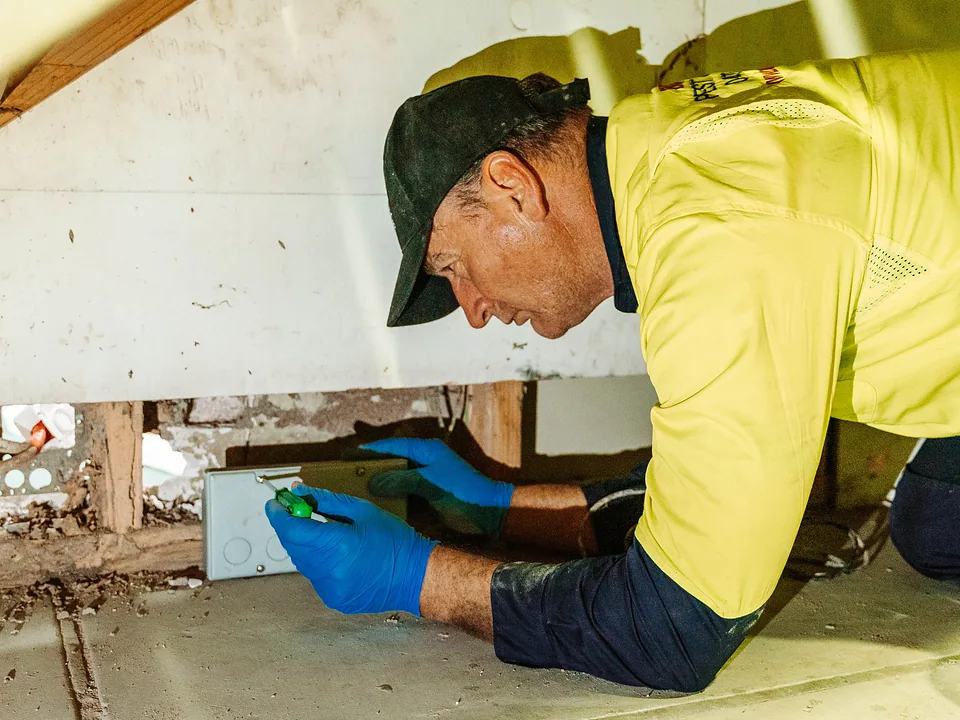
- The subfloor: A dark, damp and undisturbed space beneath the building, and a common starting point for termites. We inspect timber supports, bearers and joists closely, along with any moisture drawing a colony in.
- The internal areas: Termites often work within skirting, door frames, flooring and wall timbers. We check these for subtle signs like blistered paint, hollow-sounding timber and faint mud trails.
- The external areas: The perimeter frequently reveals early activity. We examine fencing, garden timbers, tree stumps, retaining walls and stored wood, all of which can bridge towards the building.
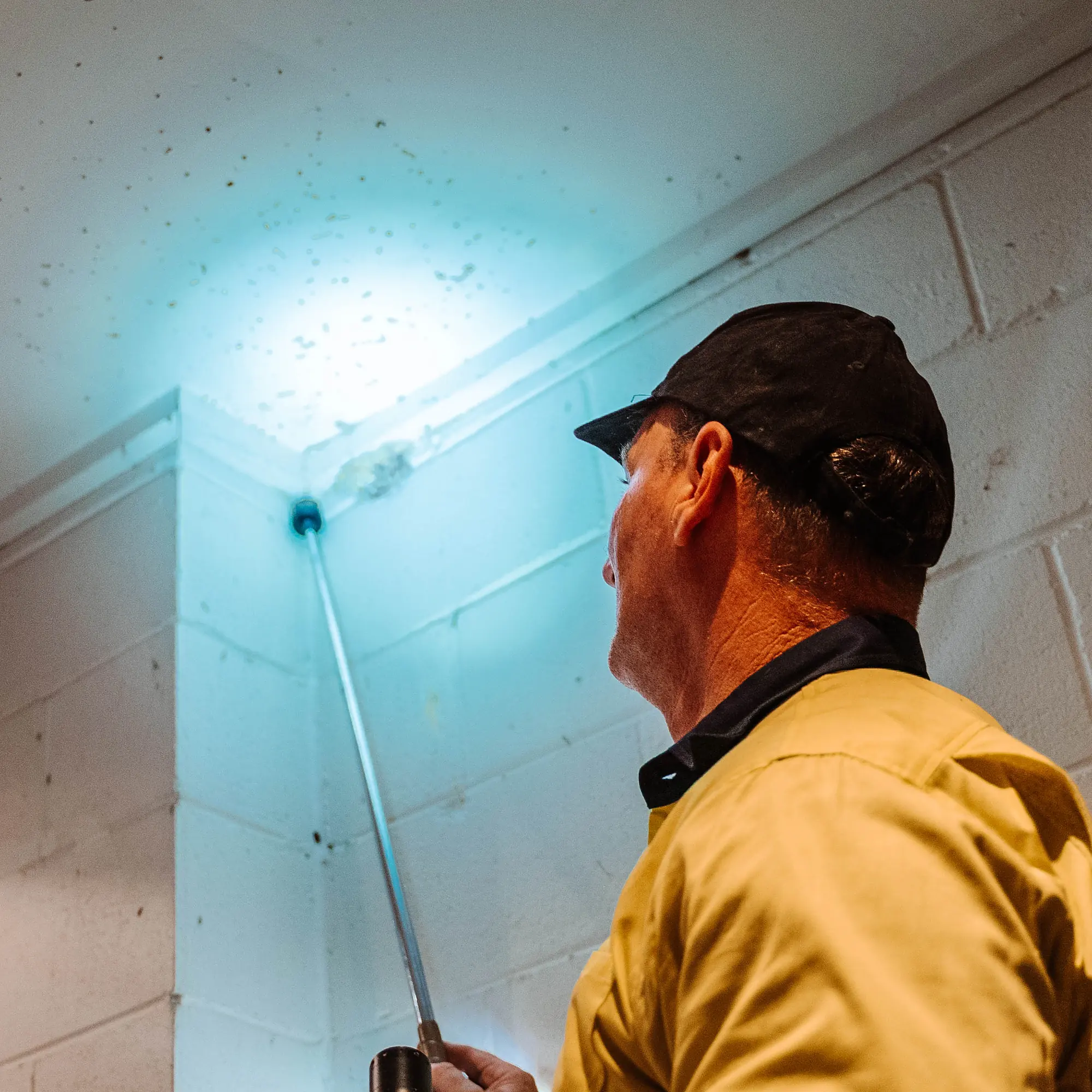
- Roof voids and wall cavities: Termites love dark, enclosed spaces. We use thermal imaging and a moisture meter to check these areas — things a surface inspection can't see.
All Pest Free's pest control across Sydney extends to comprehensive termite inspections using infrared imaging and moisture detection for every zone of your property.
How a Termite Inspection is with Integrated Pest Management
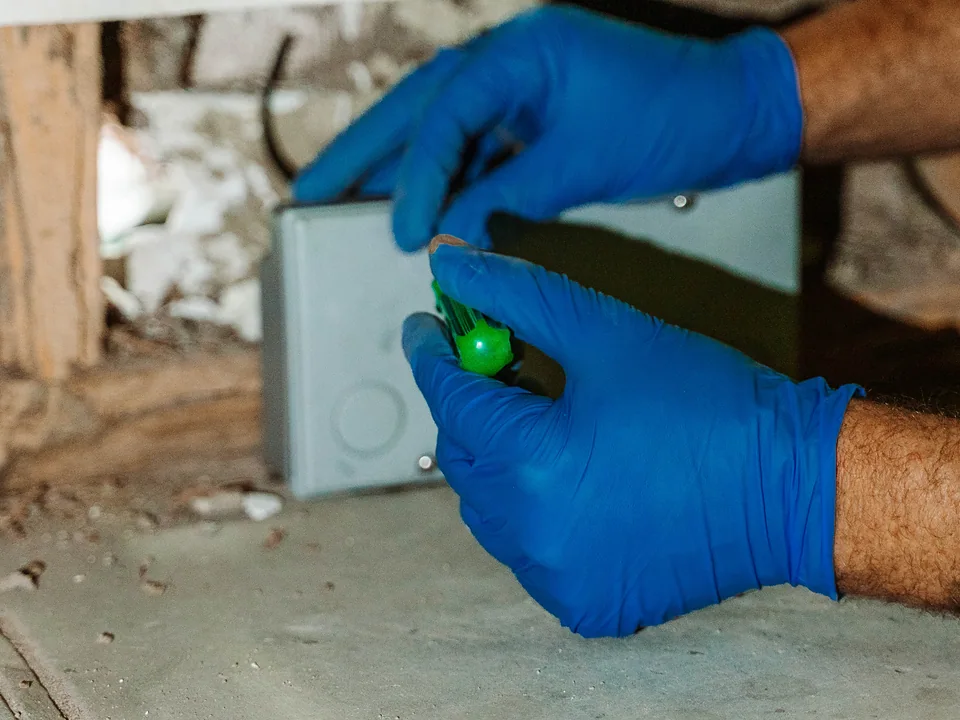
Integrated Pest Management treats inspection as the cornerstone of effective termite control, and our process follows the same principle. Before any treatment is considered, we build a clear understanding of the property: where termites are active, what conditions are attracting them, and how they are gaining access.
Termite findings shape a targeted response that focuses on the underlying cause, whether that involves addressing moisture, removing timber in contact with soil, or recommending an appropriate management plan. This measured approach keeps unnecessary chemical use to a minimum, prioritises the safety of your property, and supports lasting protection rather than a short-term fix.
What Does a Termite Inspection Process Involve?
Our inspections follow a structured sequence so nothing is left to chance. Each stage builds a fuller picture of your property and the risk it faces.
Visual inspection
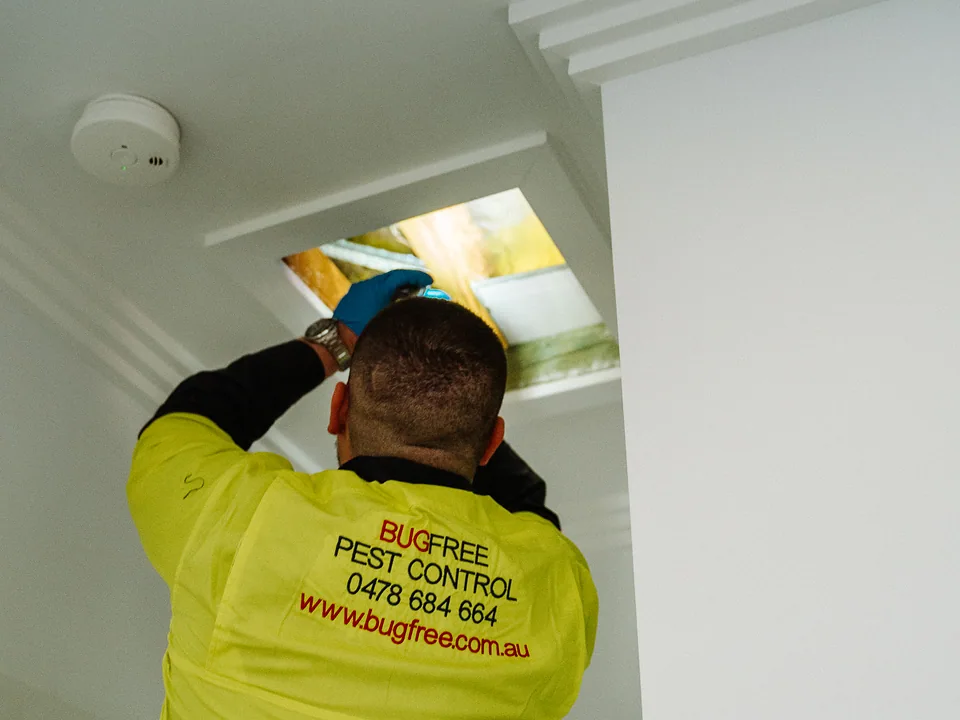
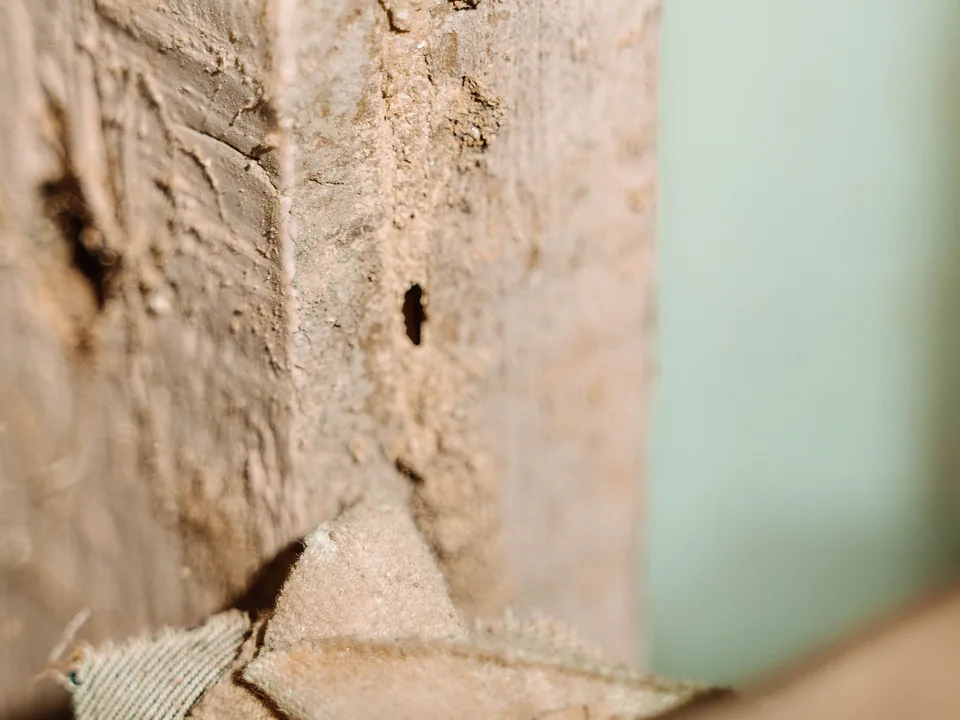
We start with a careful visual assessment, working through the areas where termites are most likely to be active. Our team looks for the telltale signs of a colony, including mud tubes, hollowed or blistered timber, discarded wings and any moisture that creates a welcoming environment.
Tool-based inspection
Termites and the conditions they rely on are often hidden from view, so we draw on specialised equipment to find them. Infrared imaging helps detect the heat and movement associated with activity inside walls, while moisture meters pinpoint the damp areas where termites are most likely to gather.
Detailed report
Once the inspection is complete, we record our findings in a clear, written report. This sets out where activity or conducive conditions were detected, giving you a transparent account of the property's condition and a reliable basis for any action that follows.
Post-inspection advice
We finish by explaining what we found and what it means for your property. Our team offers practical, tailored guidance, whether that means recommending a management plan or suggesting simple changes to reduce the moisture and timber contact that termites depend on.
Where Our Termite Expertise Shows
Choosing All Pest Free means working with a team that takes termite inspections seriously. We understand how much is at stake when a colony goes undetected, so we inspect every relevant zone thoroughly rather than settling for a quick look.
Our use of tools like infrared imaging and moisture meters allows us to uncover activity others might miss, and we explain our findings in plain language so you always know where you stand. From the first walk-through to our closing advice, our focus is on protecting your property for the long term.
Don't Wait, Schedule a Sydney Termite Inspection
Termites rarely give themselves away until the damage is done, which makes early detection so valuable. With a thorough inspection from All Pest Free, you gain a clear understanding of any activity and a practical plan to protect your property.
Contact our experts today!
Termite Inspections: frequently asked questions
How Often Should I Have a Termite Inspection?
For most properties, an annual inspection is a sensible baseline. Homes in higher-risk areas or with a history of termite activity may benefit from more frequent checks.
Can You Tell if I Already Have Termites?
Our inspections are designed to detect signs of active termites using both a visual assessment and tools such as moisture meters and infrared imaging, helping us identify areas of concern.
What Should I Do to Prepare?
Clear access to the subfloor, roof space and around the perimeter is helpful. Beyond that, our team manages the inspection itself, so there is little you need to arrange.