
Liverpool Pest Control
Liverpool is one of South Western Sydney's most established urban centres, with a property landscape that runs from heritage commercial buildings along Macquarie Street to newer high-density residential development near the train station and Liverpool CBD.
Liverpool is one of South Western Sydney's most established urban centres, with a property landscape that runs from heritage commercial buildings along Macquarie Street to newer high-density residential development near the train station and Liverpool CBD.
Add to that a high concentration of food outlets, busy retail strips, and a large proportion of older rental housing, and you have conditions that pest species find very hospitable.
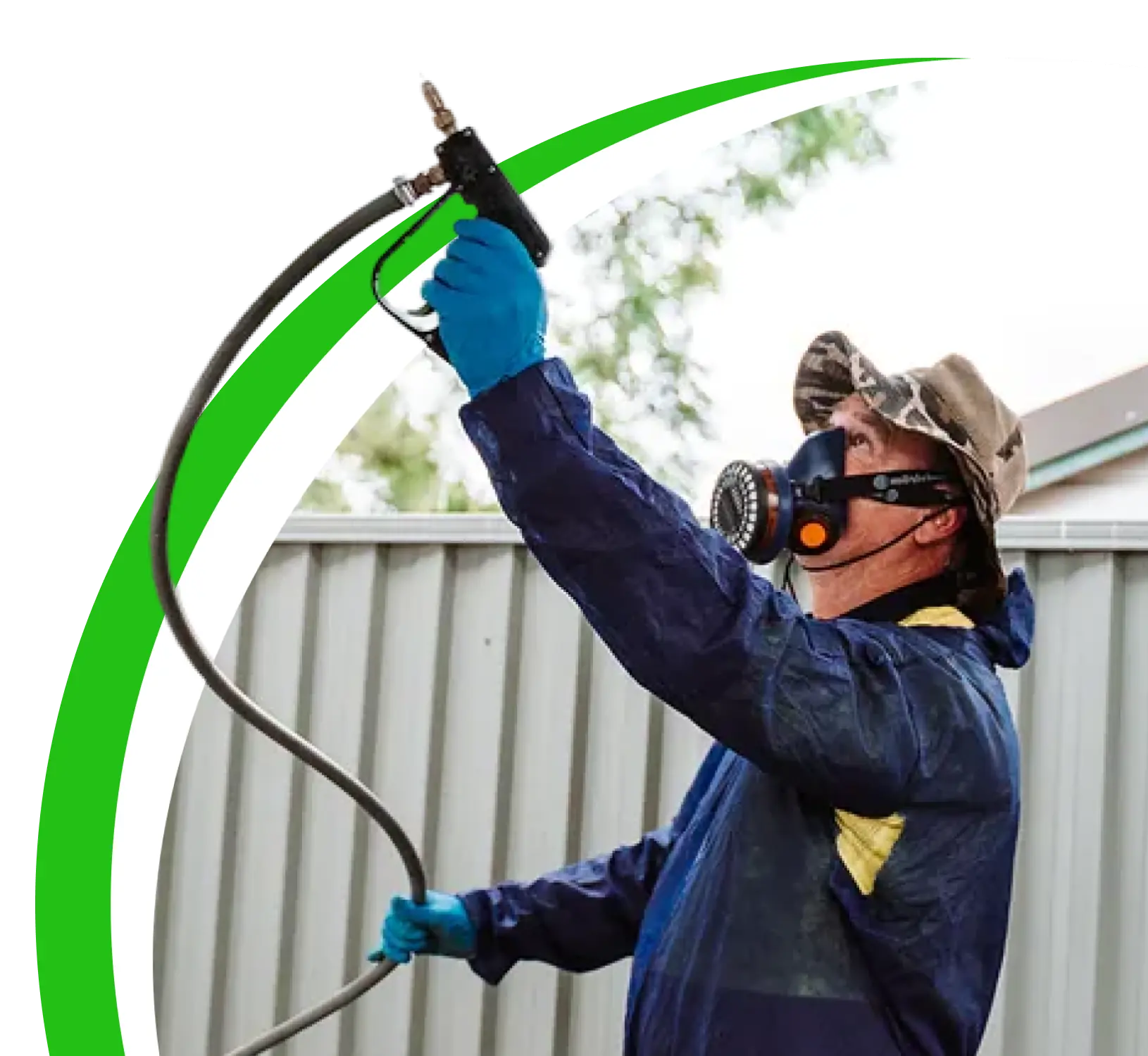
All Pest Free provides targeted, effective pest control across Liverpool and its surrounding suburbs, with treatments matched to the property and pest in front of us.
Pests That Commonly Affect Liverpool Homes and Businesses
Liverpool's combination of waterway proximity, urban density, and a large food and hospitality sector creates reliable conditions for several pest species year-round:
- Cockroaches: Liverpool's busy restaurant and takeaway strips, particularly around the CBD and Westfield, generate the food waste and warmth that cockroach colonies depend on. German and Australian species are both common, and infestations in commercial kitchens can spread quickly to adjacent tenancies.
- Rats & Mice: Active construction in the Liverpool CBD precinct regularly displaces rodent populations into surrounding properties. Food businesses, older housing stock, and proximity to Georges River all contribute to sustained rodent pressure throughout the area.
- Mosquitoes: The Georges River and its tributary creeks create significant mosquito breeding habitat close to residential areas in suburbs like Chipping Norton, Moorebank, and Casula. Spring and summer treatments are particularly important for properties near these waterways.
- Termites: Older homes in established Liverpool suburbs: particularly those with timber subfloors, large garden trees, or untreated timber fencing, are at meaningful termite risk. The area's clay-heavy soils retain moisture, which supports subterranean termite activity.
Our Pest Control Services Across Liverpool
All Pest Free covers residential, commercial, and strata pest control needs throughout the Liverpool LGA:
- General pest control: cockroaches, ants, silverfish, spiders
- Rodent control: inspection, baiting, trapping, and exclusion
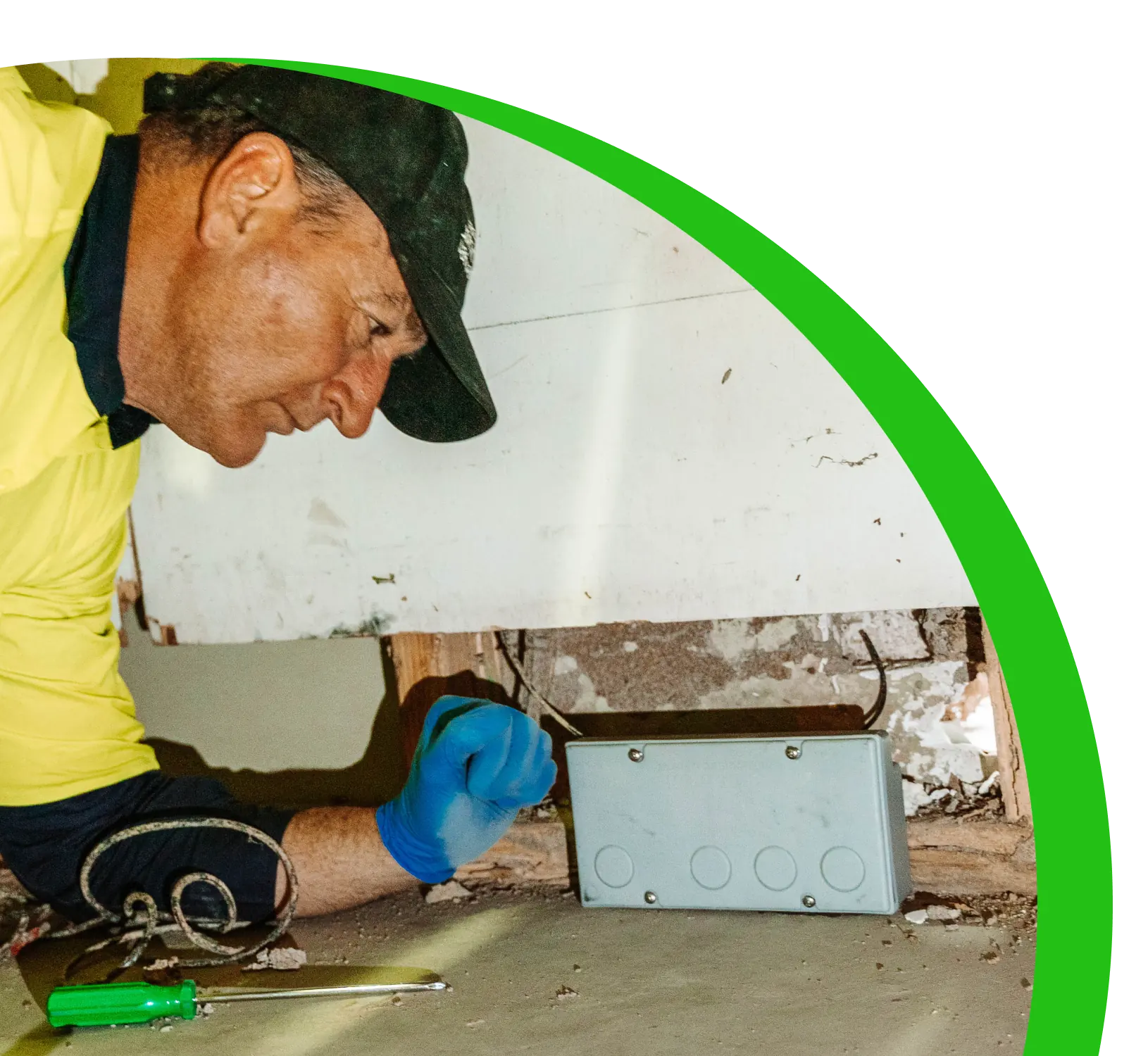
- Termite inspections and barrier treatments
- Mosquito control for outdoor and near-waterway properties
- Bed bug removal
- Commercial pest management for food businesses and retail
- Strata and multi-unit building pest control
- Bird and possum management
The Pest Risks Specific to Liverpool Properties
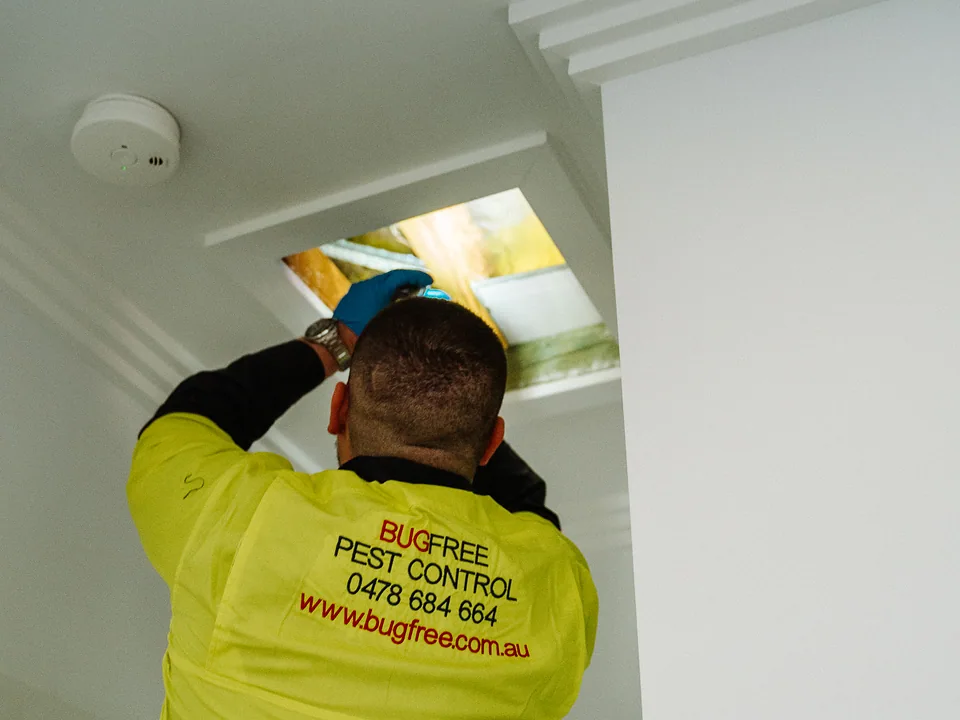
Liverpool's clay-based soils retain moisture after rain, creating ideal subterranean conditions for termites and promoting ant colony activity near building foundations. Any ongoing development around the area is also displacing established pest populations into existing residential and commercial properties.
Liverpool also has a significant proportion of older rental housing stock where deferred maintenance (unrepaired pipe penetrations, open subfloor access, deteriorating door seals) gives pests easy entry.
For commercial operators in the food and hospitality sector, pest control is a compliance obligation under NSW food safety law.
Why Liverpool Residents and Businesses Choose All Pest Free
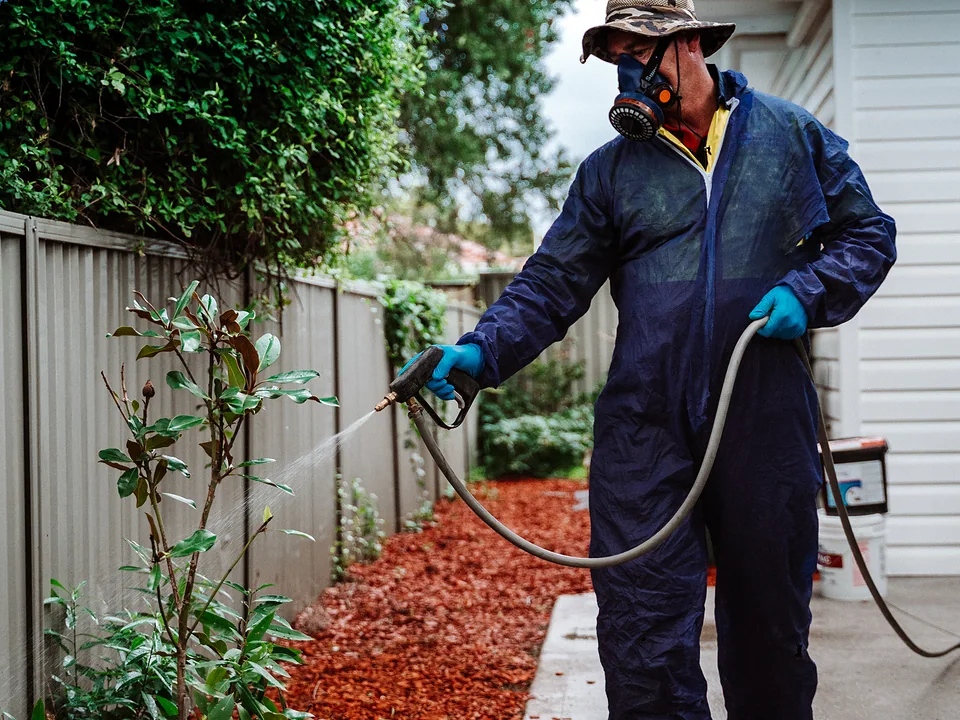
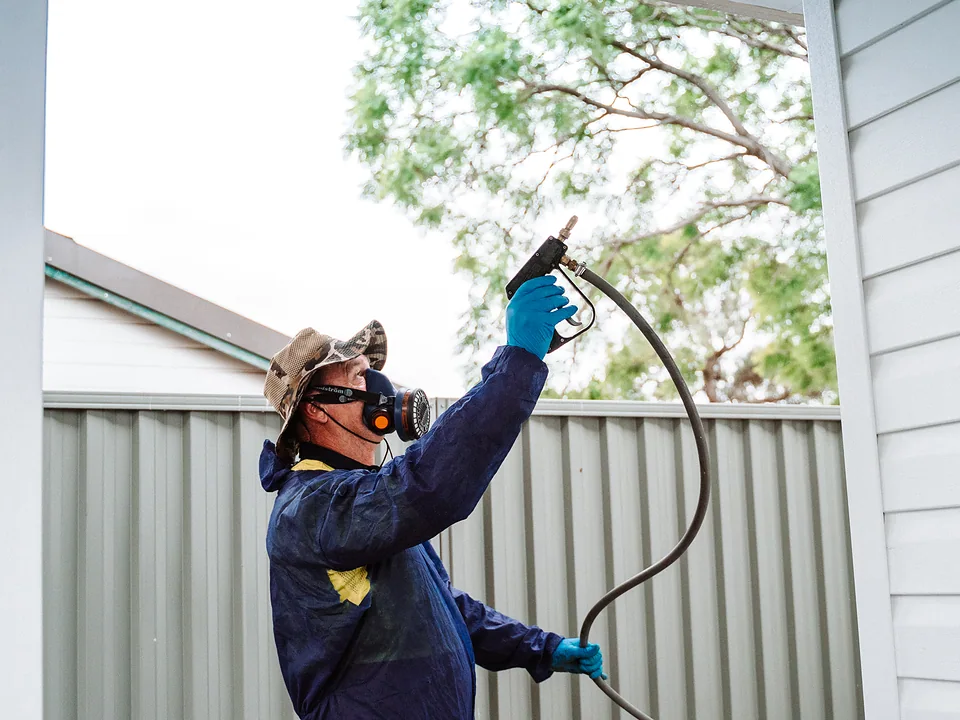
- Eco-friendly and pet-friendly treatments; safe for families and commercial environments alike
- Licensed, fully insured technicians familiar with South Western Sydney pest conditions
- Same-day bookings for urgent residential and commercial infestations
- Strata-experienced, able to coordinate building-wide treatments for multi-unit complexes
- Clear upfront pricing with no hidden fees or pressure upsells
Book Your Liverpool Pest Control Service Today
A pest problem in Liverpool rarely stays contained; rodents can make their way in from a construction site nearby or cockroaches can spread through a shared building.
All Pest Free responds quickly, treats thoroughly, and follows up to ensure the problem stays resolved. Contact us today to arrange your inspection or treatment.
Contact us today!
Liverpool Pest Control: frequently asked questions
Is Liverpool at higher risk for termites than other parts of Sydney?
Liverpool sits in a moderate-to-high termite risk zone. The combination of clay soils that retain moisture, older timber-framed housing, and established trees in residential streets creates favourable conditions for subterranean termite species. Annual inspections are strongly recommended, especially for properties built before 1990.
Do I need to leave my home during a pest treatment?
For most general pest treatments, you won't need to vacate the property entirely, but we do recommend keeping children and pets out of treated areas for a few hours while products dry. Our technician will provide specific preparation and re-entry advice when you book, based on the treatment type being applied.
Can pests from a neighbouring property or business infest mine?
Yes, it can happen. Cockroaches, rodents, and ants all move freely through shared walls, roof voids, plumbing infrastructure, and garden borders. If a neighbouring property has an untreated infestation, reinfestation after your own treatment is a real risk. This is why we always address entry points and harbourage conditions, not just the visible pests.
What's the difference between a pest inspection and a pest treatment?
A pest inspection identifies what pests are present, where they're active, how they're entering the property, and what conditions are supporting them. A pest treatment addresses the infestation using appropriate methods. We recommend an inspection first for any new or unknown infestation, so the treatment is targeted rather than generic.
Are your treatments safe around food preparation areas?
Yes. All products we use are approved under Australian Standards for use in domestic and commercial environments, including food-handling areas. We follow strict application protocols for kitchens and food prep zones: products are applied to specific harbourage sites rather than broadly across food contact surfaces, and we'll provide clear guidance on any preparation steps required beforehand.