
Licence No. 5074197, NSW EPASame-day service available5.0 from 100+ Google reviews(02) 9160 7681
Part of
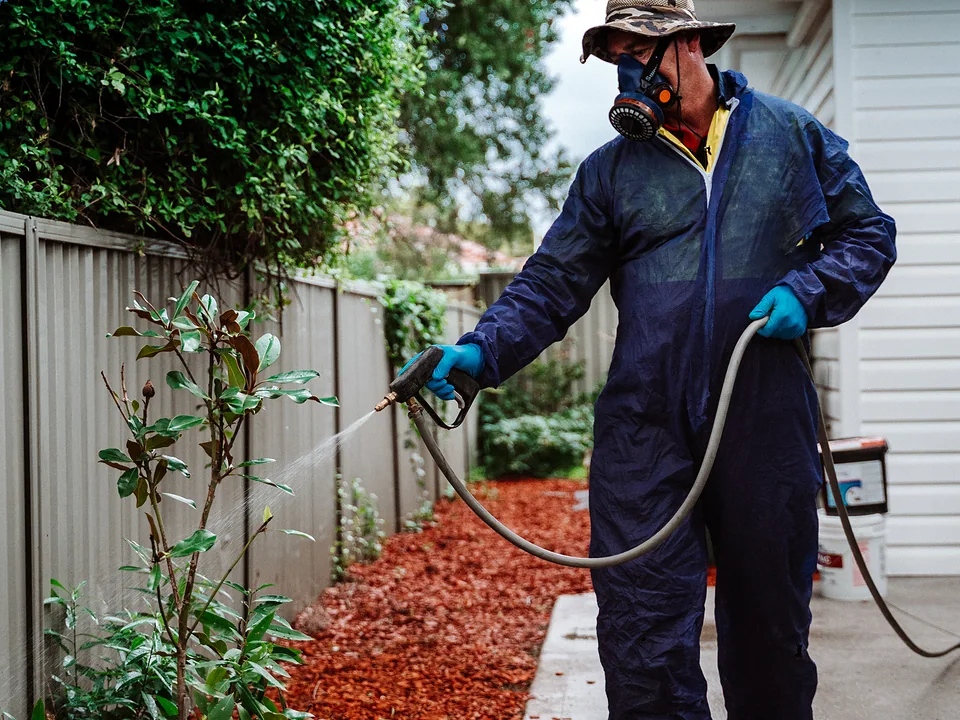
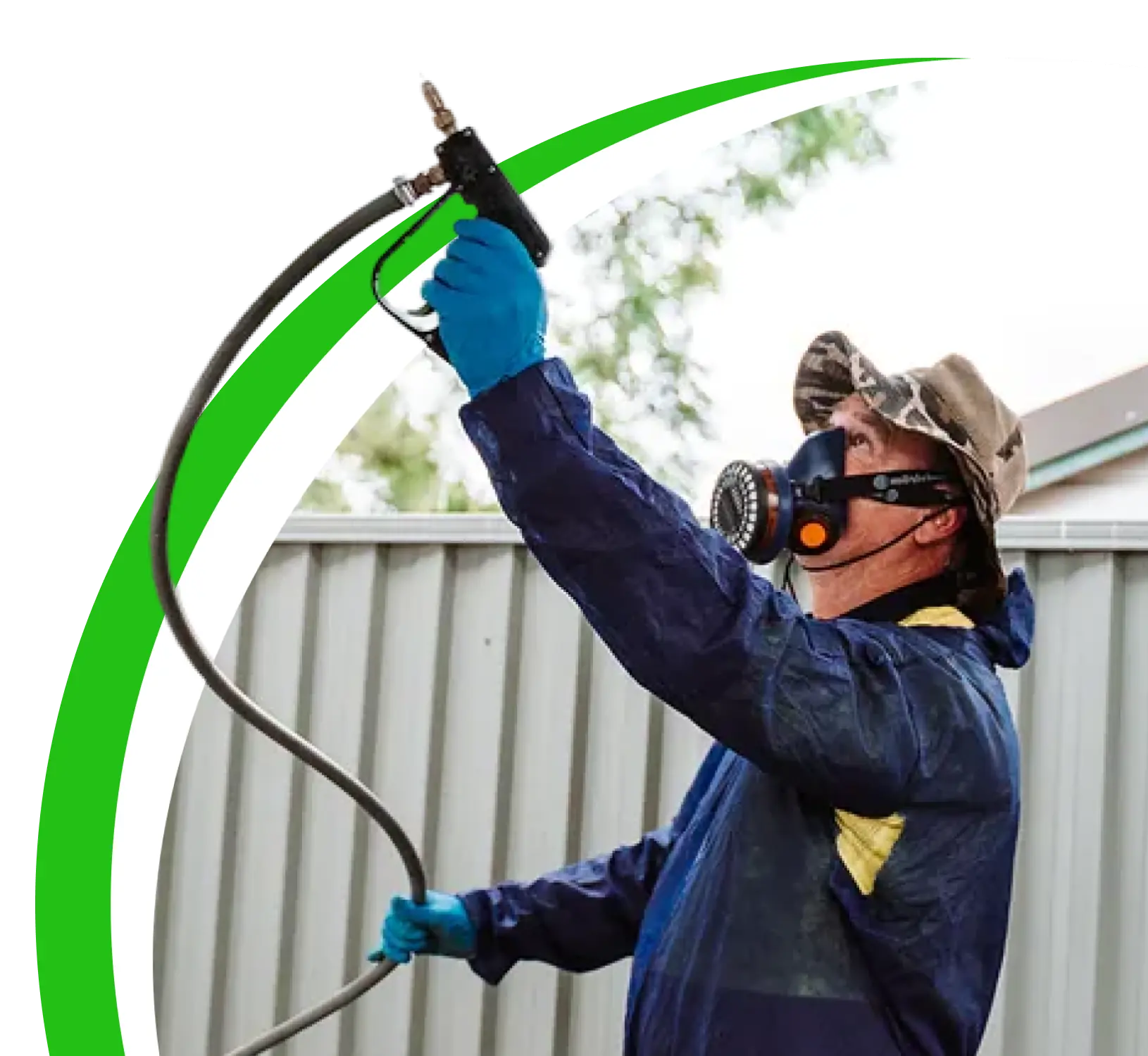
Perimeter pest treatment along the side of a Sydney home
NSW EPA licensed · 5.0★ from 100+ reviews

What If I See A Pest After Treatment

When you've just had a pest treatment, seeing pests on your property is alarming. Especially when you've noticed more pests than usual! But, not to worry, chances are your pest problem is actually becoming better and not worse. So, before you reach for the insect repellant, keep on reading to know why this may be the case.

Fully licensedNSW EPA 5074197
5.0 stars100+ Google reviews
Pet & family safeEco-friendly treatments
Same-day serviceSydney-wide response

When you've just had a pest treatment, seeing pests on your property is alarming. Especially when you've noticed more pests than usual! But, not to worry, chances are your pest problem is actually becoming better and not worse. So, before you reach for the insect repellant, keep on reading to know why this may be the case.

Here's Why Your Pest Control Treatment May be Working…

The "Flush-out" Effect: The Pests are Being Forced Out of Hiding

When you see an increase in pests, it can be easy to start panicking. However, it's important to remember that before the pest treatment, they're thriving in areas where you can't see them. This is precisely why an infestation is so discreet in the beginning. Think areas of your home you wouldn't normally see like skirting boards, wall cavities, under the fridge, etc.

In the event of a pesticide application, these areas that were once reliable turn into danger zones. Which means that the pest gets pushed out, and into areas where you'd see them. Whether it's running around your kitchen, or into the living room. So there's no spike in activity, it's the same pests.

Instant Knockdowns Don't Work as Well as Slow-Acting Products

A common misconception about pest treatments is that they are fast acting. However, many professional treatments are designed to work slowly over time. Your pest technician will use Integrated Pest Management (IPM), including various tools and techniques to target the root cause.

The pest control tools and equipment range from baits, insecticides, to other types of residual products. Our advanced pest detection technology, including infrared imaging allows us to pinpoint the pest, and level of activity. Providing a pest treatment that slowly allows for the effects to kick in.
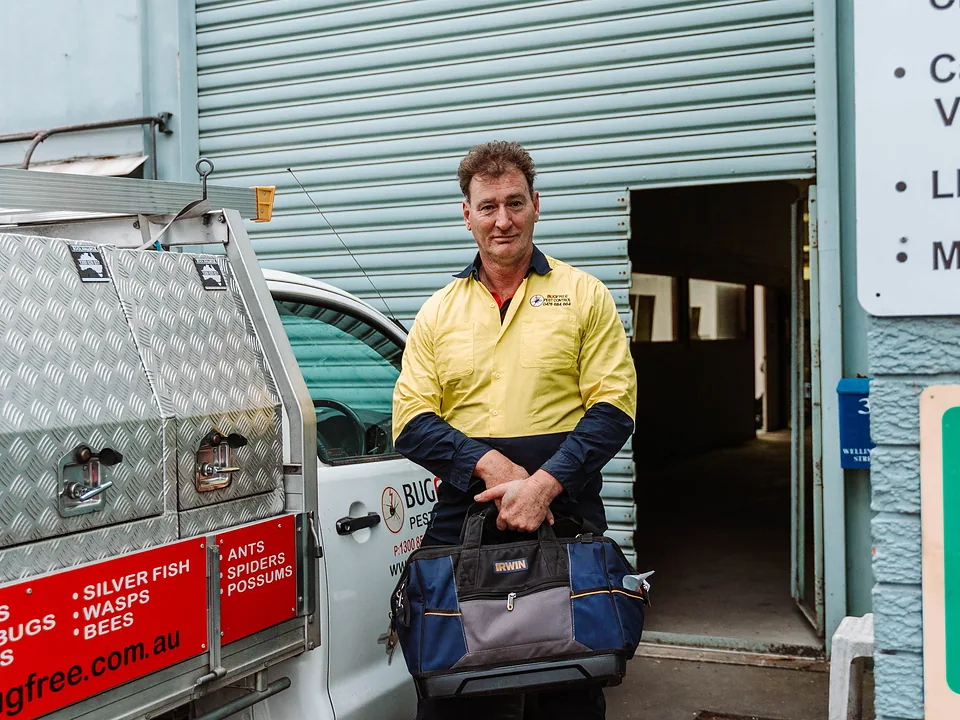
The Bug Free pest control team in front of their branded Sydney service vehicle

The Timeline of Each Pest Treatment

Pest

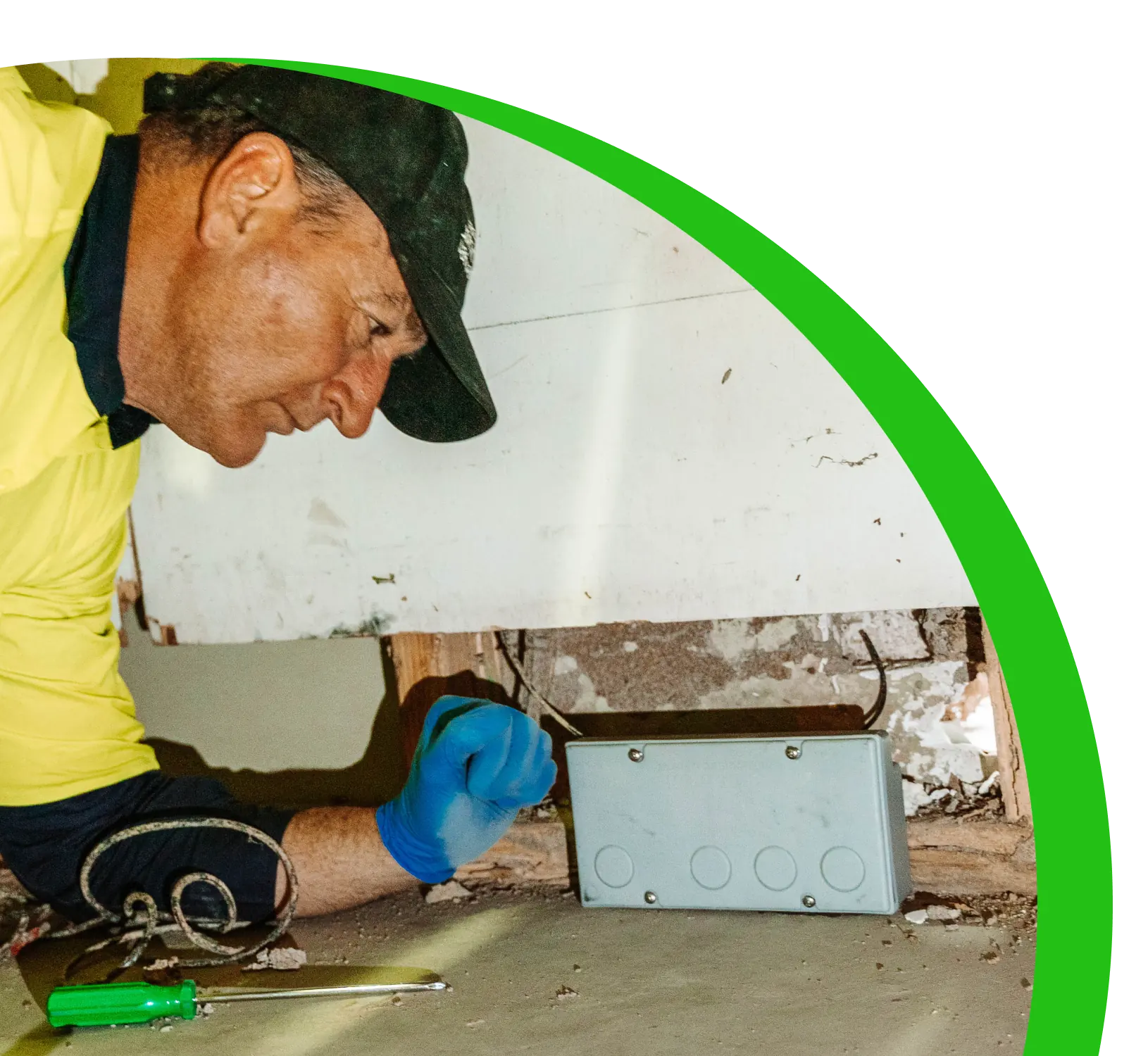
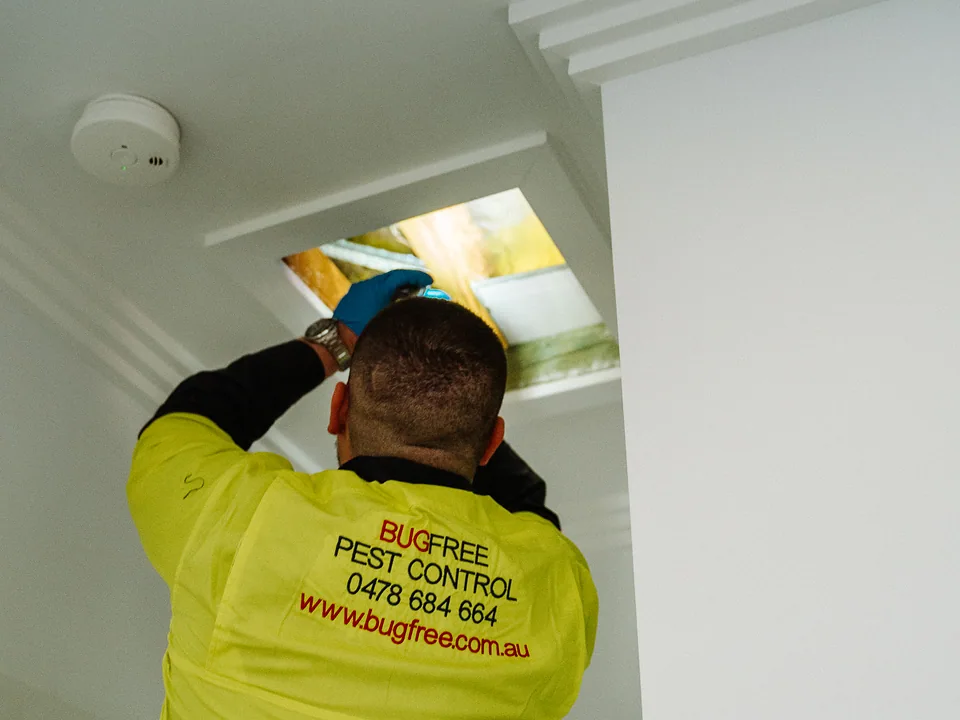
Bug Free technician inspecting a wall cavity with a torch

Treatment Timeline

Why It Takes Time

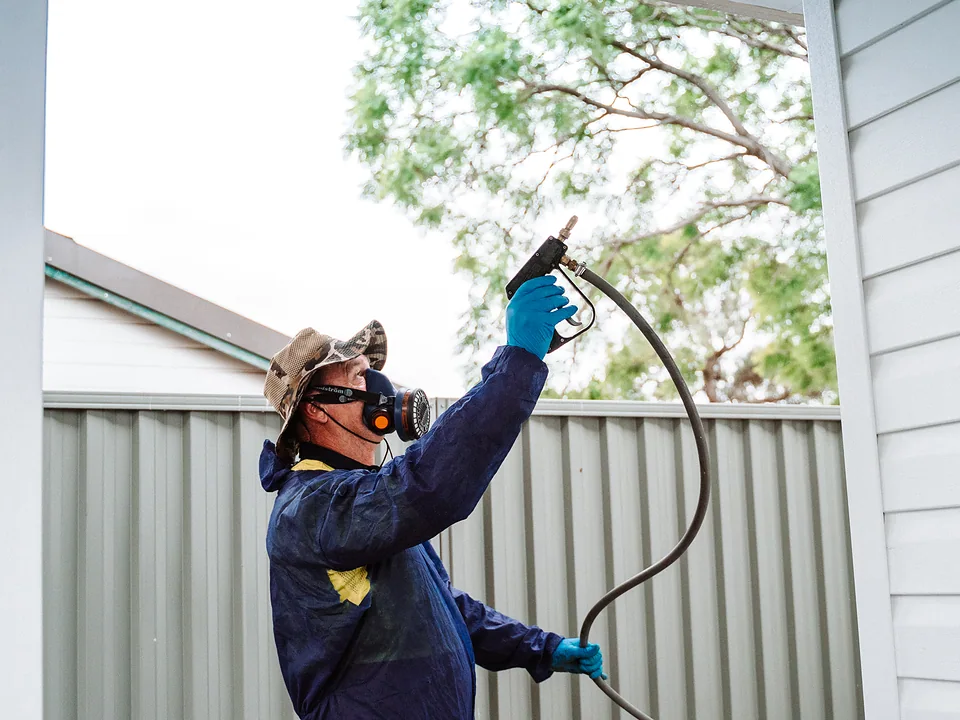
Bug Free technician applying a perimeter treatment to the eaves of a Sydney home

Ants

6 weeks

Bait must reach the colony and queen

Rodents

2-4 weeks

Bait consumption + population decline

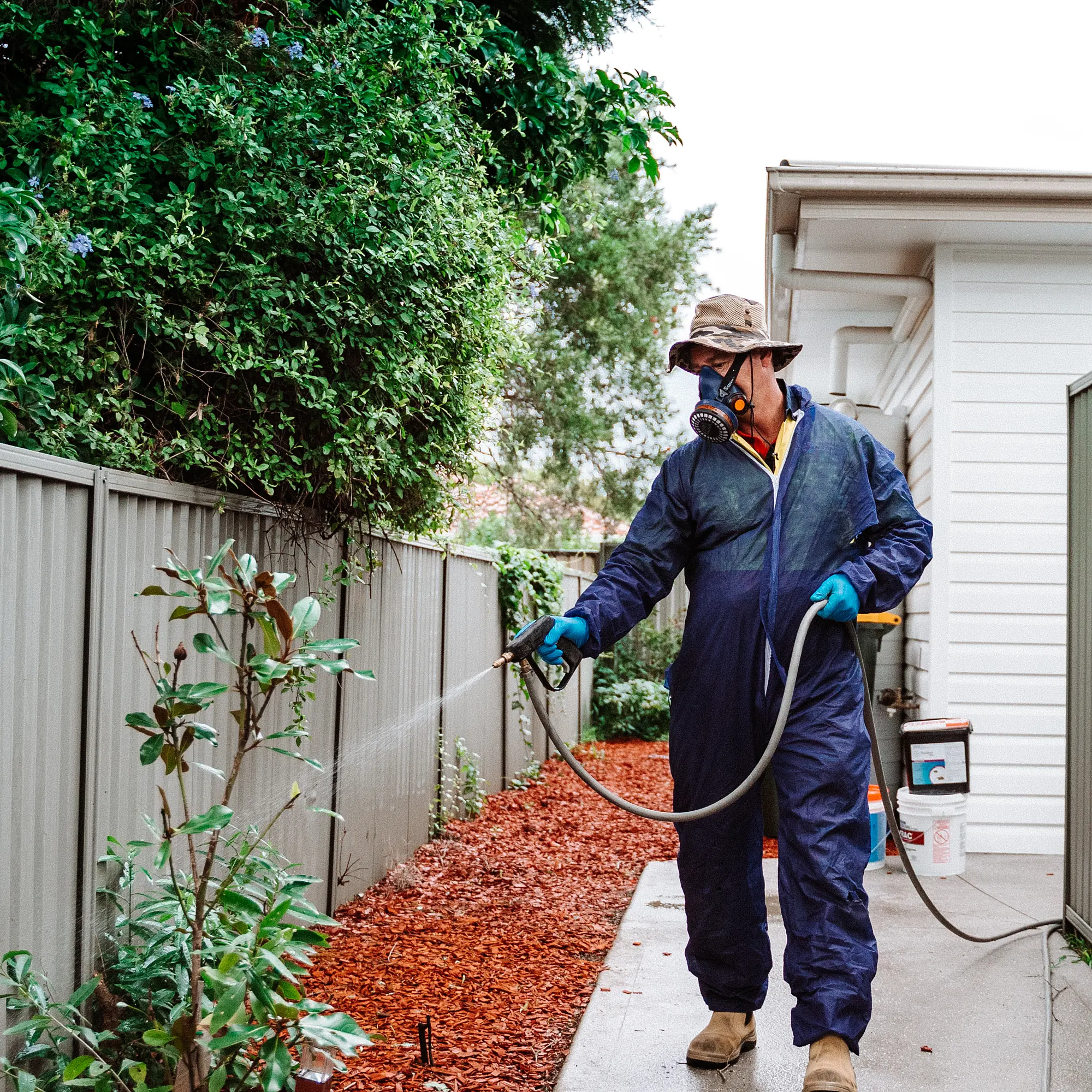
Perimeter pest treatment along the side of a Sydney home

Cockroaches

2-6 weeks

Egg cycles require residual coverage

Spiders

1-2 weeks

Residual contact as they move

The Bug Free pest control team in front of their branded Sydney service vehicle

Bed Bugs

3-6 weeks

Multiple treatments through egg cycle

Termites

8 weeks+

Colony elimination is gradual

Bug Free technician inspecting a wall cavity with a torch

Fleas

2-4 weeks

Must outlast the full life cycle

*Please note that the above are timeline estimates. The treatment's effectiveness varies based on several factors, including the pests' life cycle, climate, and frequency of property maintenance.

Eggs Keep Hatching After Treatment

If pests continue to emerge post-treatment, a likely reason could be that the eggs are continuing to hatch. The lifecycle of pests occurs in phases, often hatching in the days or weeks following the pest treatment for the problem.

Stubborn pest species such as bed bugs, fleas and pantry pests are known to spread easily in an environment. To prevent these pests from continuing to hatch and multiply, the breeding ground must be targeted in phases. By opting for weekly, or biweekly treatments, this can cover the breeding cycle.

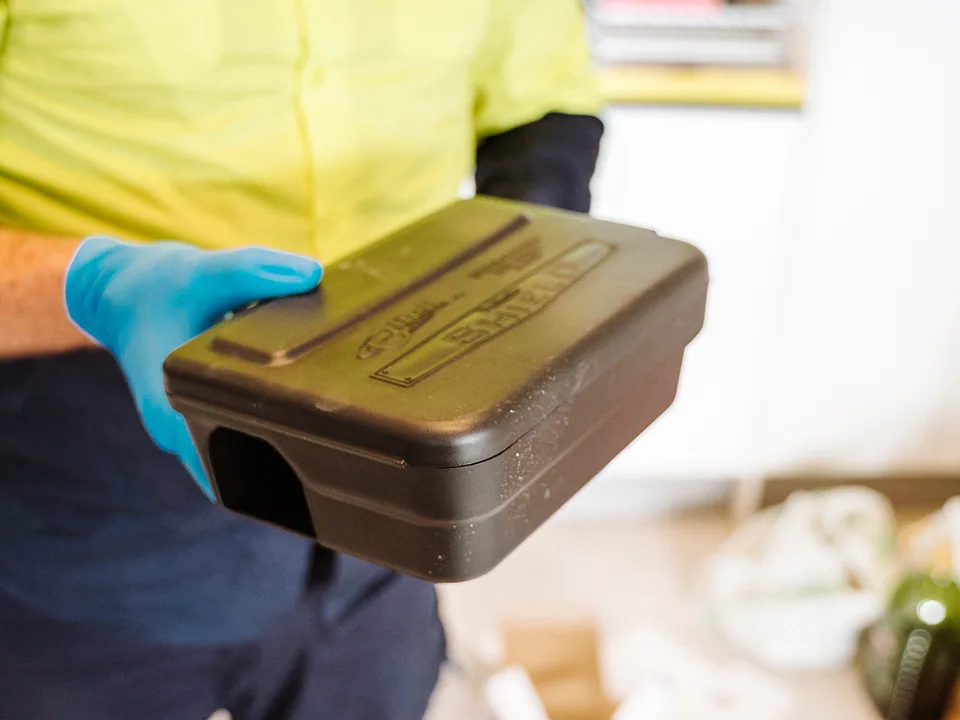
Bug Free treatment equipment and bait station products

When the Pest Control Treatment is Not Right for Your Property

Your Property Provides Ideal Pest Conditions

When pests persist in your environment, this could be because your property provides the right conditions. These species require few fundamental needs to be met in order to thrive. This is precisely why it's important to look out for potential causes for pests. No matter the kind of treatment provided, creating ideal conditions will cause them to return.

See pest factors to consider:

  • Moisture: If there are several areas where moisture lingers in, pests such as cockroaches and silverfish gravitate towards these. This is because these require moisture in order to survive. Some common areas include bathrooms and kitchens.
  • Food Access: By leaving food out in the open, this provides easy access to pests. Some of these include foods with high sugar content, as well as fats, grease, grains and cereal. Avoid habits like leaving pet bowls out, or food packets open.
  • Entry Points: When there are various entry ways, it makes it easier for pests to infiltrate a property. It's important to identify any key areas to then seal over to prevent pests. Some common areas include cracks in foundations, weep holes, and door and window gaps.
  • Climate: During warmer seasons like Summer, pests are looking to escape the heat with cooler shelter. And, in contrast, they look for warmth when faced with chilly winter conditions. During these periods, professional prevention is even more critical.
Bug Free technician applying a perimeter treatment to the eaves of a Sydney home

You May Have More than One Pest Problem

When one type of pest goes, but another emerges, many often assume that the original treatment plan is ineffective. However, a common reason is that there are many infestations at once. This is because different kinds of pests demand different treatments to remove them. The kind of infestation that was treated is likely to have been the main one.

The reason why many infestations exist at once is simple, many pests have the same survival needs. Pests like cockroaches and rodents can thrive in the same conditions. This makes them more prone to infest a property side by side.

What to Do While the Treatment Settles

Post-treatment, it's key to stay clear of treated areas. By interfering with these areas, it could have an impact on the effectiveness. That's why it's important to know the right steps to take once the solution is complete.

Perimeter pest treatment along the side of a Sydney home

What to Do

  • Repair dripping taps and leaks promptly
  • Keep kitchens and bathroom areas clean and dry
  • Store food in sealed containers

What Not to Do (First 1-2 weeks)

  • Spray supermarket pesticides over treated areas
  • Scrubbing or cleaning the edges of walls in your property
  • Pressure washing edges of exterior walls

*Please note that the above is a general overview of post-treatment maintenance. At All Pest Free, we provide tailored maintenance advice to keep your property pest-free.

The Bug Free pest control team in front of their branded Sydney service vehicle

When to Give our Experts a Call: The Bottom Line

After a treatment it can be hard to know when to get in touch with a technician. Given that you may see more pests than usual, it's important to know what to look out for. As a general rule of thumb, consider calling a technician when you continue to notice pests after a month. This is because the species breeding cycle is likely to have died out by then.

However, it's also important to look out for a few unusual signs on your property. This ranges from seeing pests in areas that were free from infestations, noticing a new pest type, and fresh breeding.

Make Your Property a Priority, with All Pest Free

Without the proper care, pests can linger on your property for longer than necessary. Our team of technicians conducts comprehensive inspections, by leveraging advanced detection tools and technology. By doing so, we're able to pinpoint pest activity, no matter how discreet the pest or their hiding place. Rest assured, our pest treatments are designed to target your household or business.

Bug Free technician inspecting a wall cavity with a torch

Contact Our Pest Controllers in Sydney

Is your property overdue for a pest inspection? Or do you suspect an infestation? At All Pest Free, we're the reliable pest control choice for Sydney homes and businesses. Every solution is tailored to restore operations, keeping the space as safe as possible.

Contact us today!

Book pest control in Sydney today

Licensed technicians, fixed upfront pricing from $89, and treatments that are safe for your family and pets.