Licence No. 5074197, NSW EPASame-day service available5.0 from 100+ Google reviews(02) 9160 7681
Part of
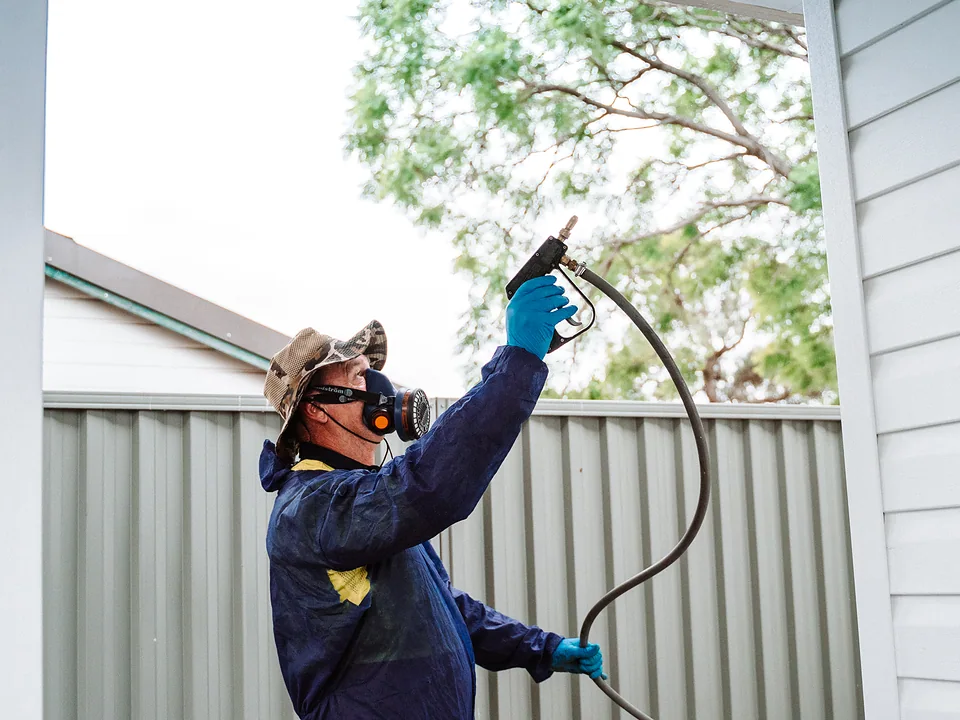
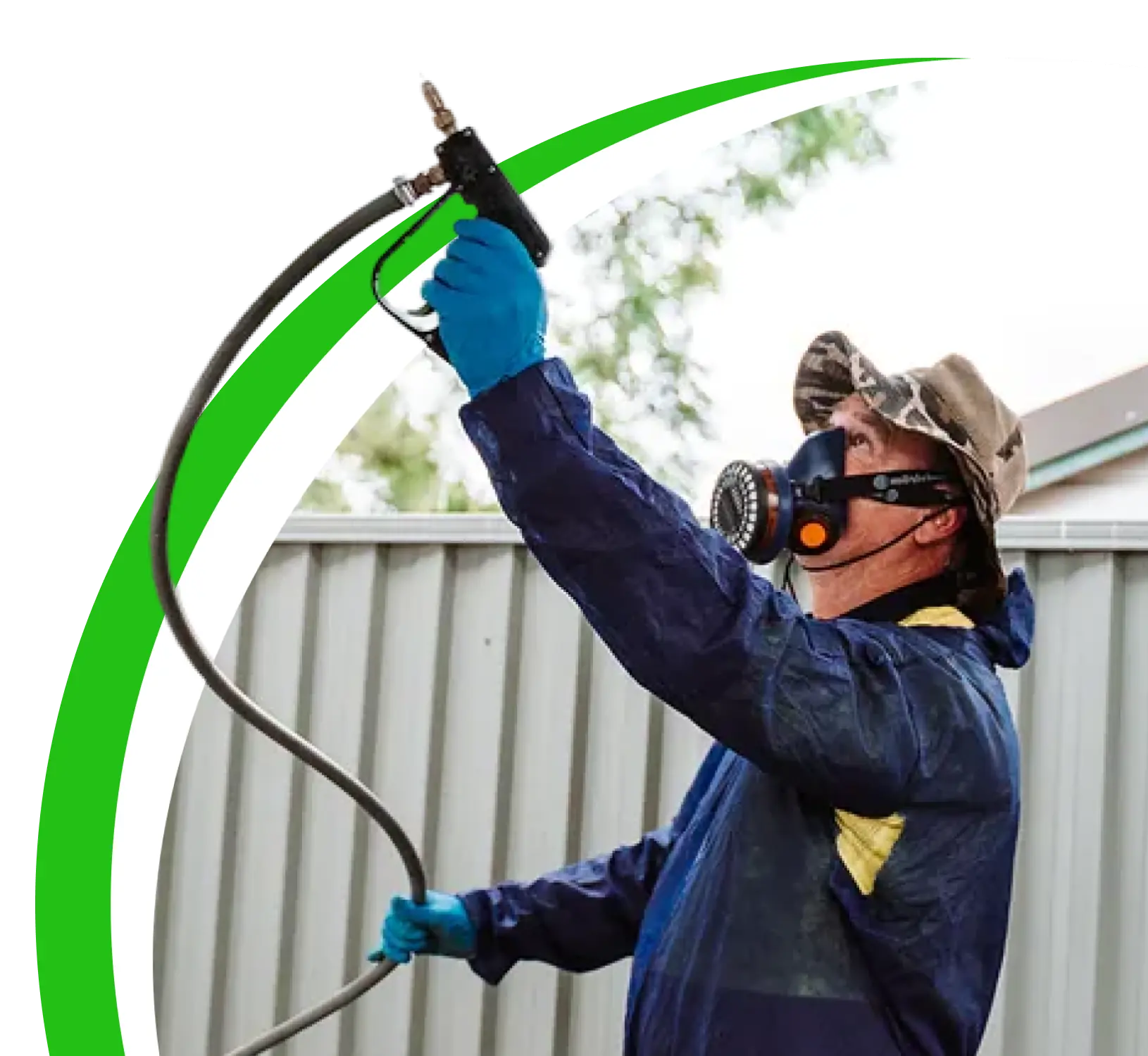
Bug Free technician applying a perimeter treatment to the eaves of a Sydney home
NSW EPA licensed · 5.0★ from 100+ reviews

What To Do Before A Pest Controller Gets To You

Noticed pests swarming your property and took action fast? We know that an infestation can be incredibly overwhelming, but the steps that follow can be just as important. DIY attempts at managing pests, or poor property maintenance, can cause the infestation to worsen or come back. At All Pest Free, we're committed to informing our clients with each service, providing pest-free properties.

Fully licensedNSW EPA 5074197
5.0 stars100+ Google reviews
Pet & family safeEco-friendly treatments
Same-day serviceSydney-wide response

Noticed pests swarming your property and took action fast? We know that an infestation can be incredibly overwhelming, but the steps that follow can be just as important. DIY attempts at managing pests, or poor property maintenance, can cause the infestation to worsen or come back. At All Pest Free, we're committed to informing our clients with each service, providing pest-free properties.

Why is Preparing the Area So Important Before We Arrive?

Prior to our team's arrival at your home or office, it's important that no further steps are taken to worsen the problem. By doing so, this helps to prepare your property for having the most effective pest plan possible. It can cause pests beginning to scatter within the colony, and causing pests to build resistance to chemical treatments.

The Right Foundation of Integrated Pest Management (IPM)

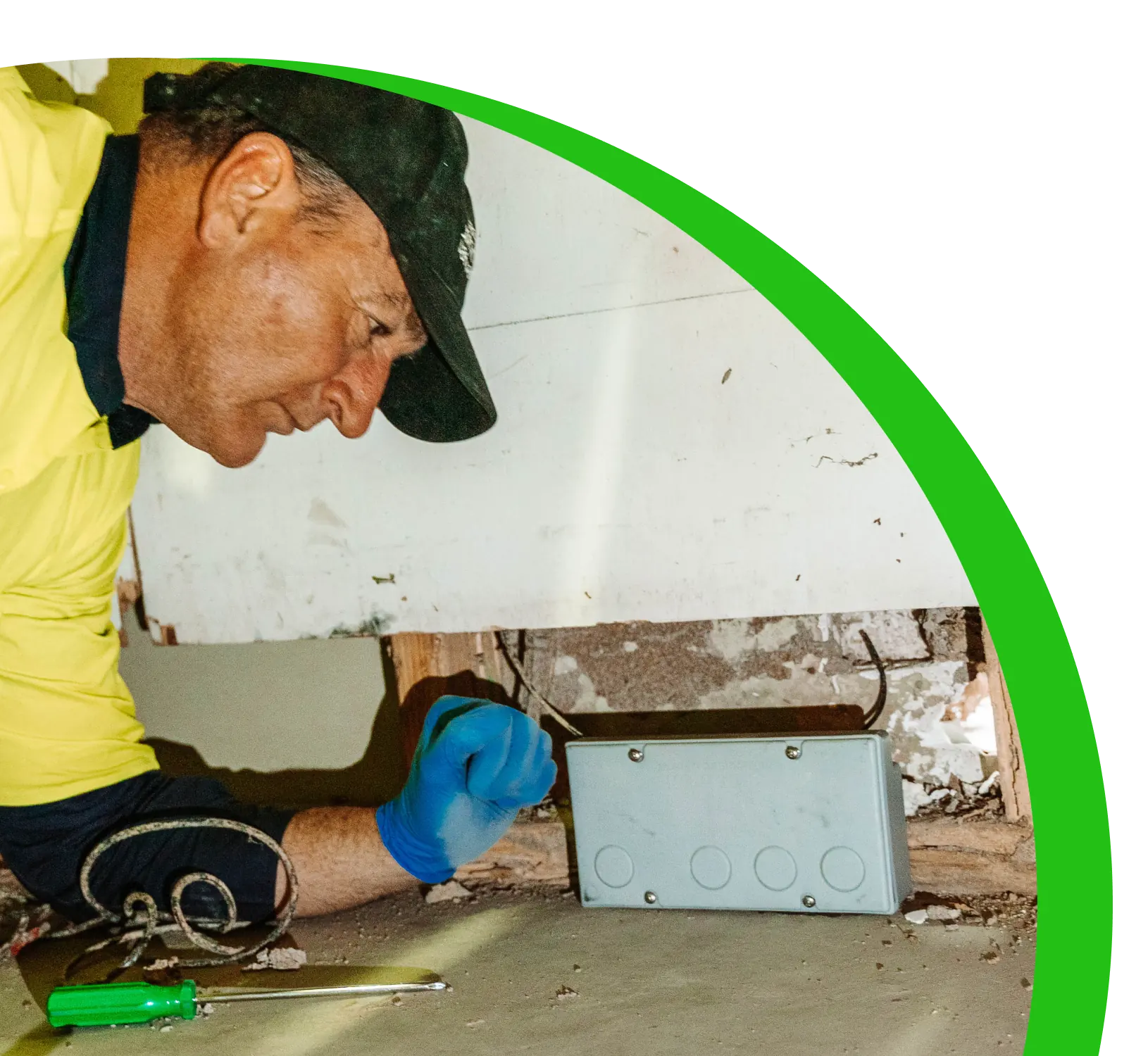
Integrated pest management is a process that relies on combining several tools and techniques. From implementing chemical, mechanical/physical, biological, and chemical treatment methods for a comprehensive approach. However, in order to do so, each part of the property must be accessible. This includes hidden areas like subfloor spaces, wall cavities, skirting voids, and the pantry corners.

See how to clear your property before the visit:
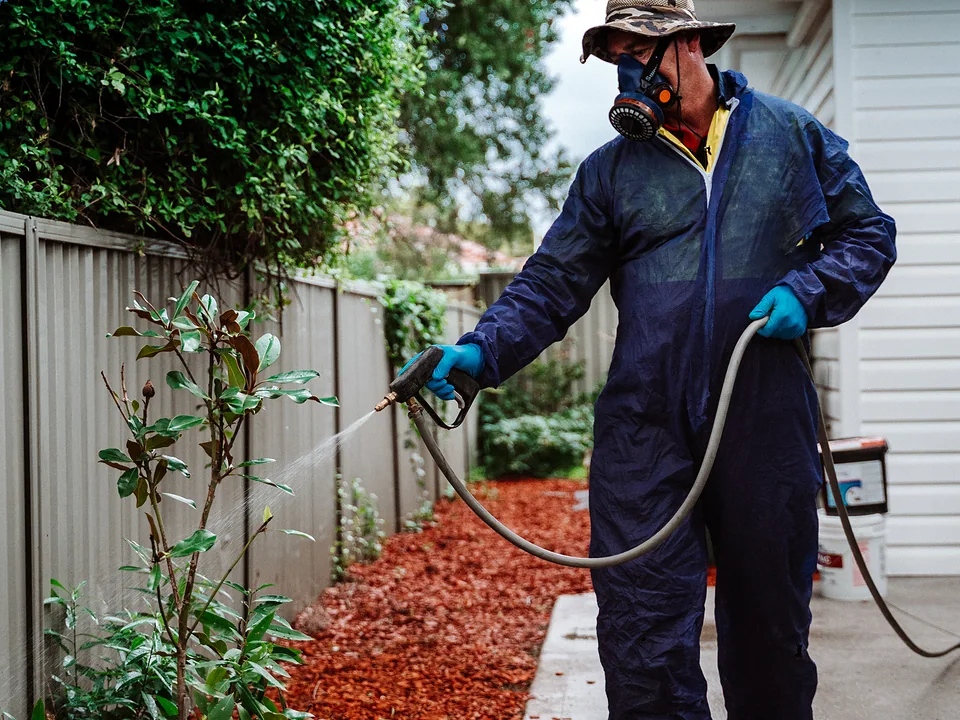
Perimeter pest treatment along the side of a Sydney home

Clean and Declutter Treatment Areas Properly

To prepare the treatment area, it's important that the property is thoroughly cleaned. This includes both the interior, and exterior areas to remove any waste or clutter that's accumulated.

See Your Indoor Decluttering Guide

When it comes to keeping your property free of clutter, it's important to know which areas are the most important. Many often find themselves overlooking certain parts of their home, or office. Instead, know exactly what to look for with our guide.

  • Wall and Roof Clearance: Move furniture at least 50cm away from walls, and clear any clutter blocking roof access.
  • Floors and Surfaces: Tidy commonly cluttered areas like clothes in bedrooms. And pick up items that tend to linger on floors, such as pet toys.
  • Food and Kitchenware: Pack food into sealed containers in the cabinets or fridge. Also, pack utensils and cutlery into storage.
  • Dishes: Cover any exposed dishes on the dish rack with a towel.
  • Bins and Baskets: Empty out any full trash bins and laundry baskets, especially when left out for a long time.
  • Deep Cleaning: Aim for vacuuming surface areas thoroughly, and mopping floors if possible as this can’t be done post-treatment.
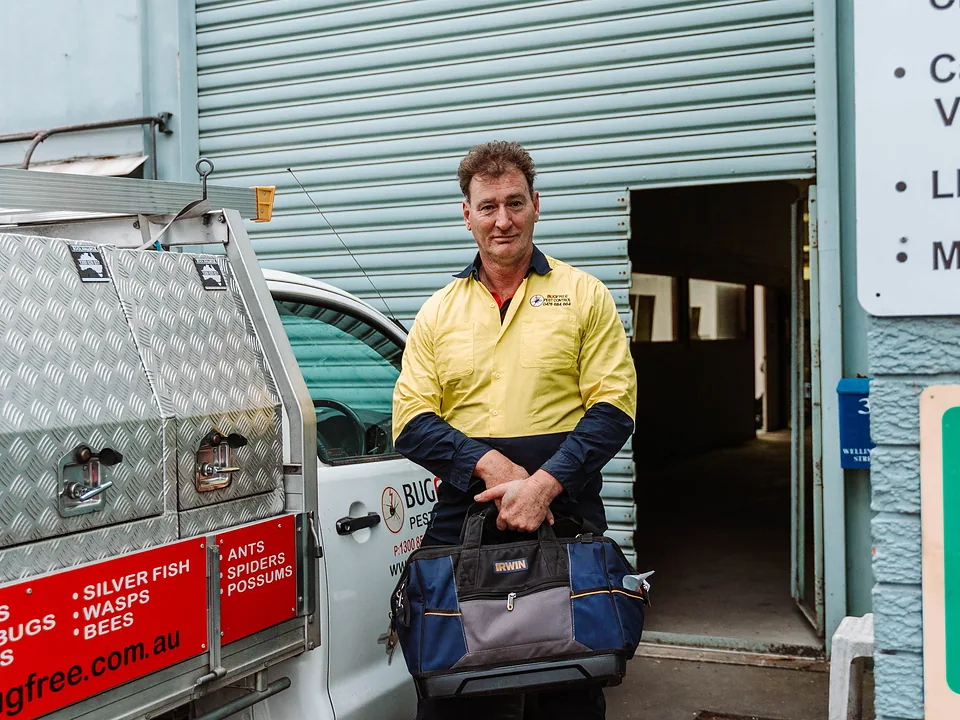
The Bug Free pest control team in front of their branded Sydney service vehicle

Don't Forget to Look Out for Any Outdoor Areas

Many people can easily overlook outdoor areas, such as a yard but these are essential. This is because they offer the most ideal conditions for pests to thrive in. Providing an abundance of food, shelter, moisture and more for survival. To prepare your property for the potential of outdoor treatments, it's important to take some key steps.

Oftentimes, there can be a broad range of vegetation, such as bushes and shrubs all over the property. We recommend clearing the area and trimming vegetation where possible. This extends to mowing the lawn for ease of access. It's also a good idea to cover edible plants with plastic sheets, and take down any washing on the line.

Address Excess Moisture Issues

Common household pests, such as cockroaches and silverfish are attracted to damp areas within a property. This is because they thrive in environments with ample water, and humidity that keeps their body temperature warm. Bathrooms, laundries and kitchens are all areas that are prone to too much moisture. This is why it's important to take steps in keeping these areas as dry as possible.

To avoid a moisture build-up, frequent ventilation is key. To do so, there are many methods to consider depending on the rooms. For bathrooms and kitchens, running your exhaust fans helps to thoroughly dry these areas. For areas with no form of ventilation, such as basements consider using a dehumidifier.

Some general tips, by our experts:

  • Fix any leaks, like dripping taps as soon as possible
  • Use an air conditioner to cool and dry your space (optional)
  • Open windows regularly to air out a space
  • Use a ceiling fan to circulate and dry the air
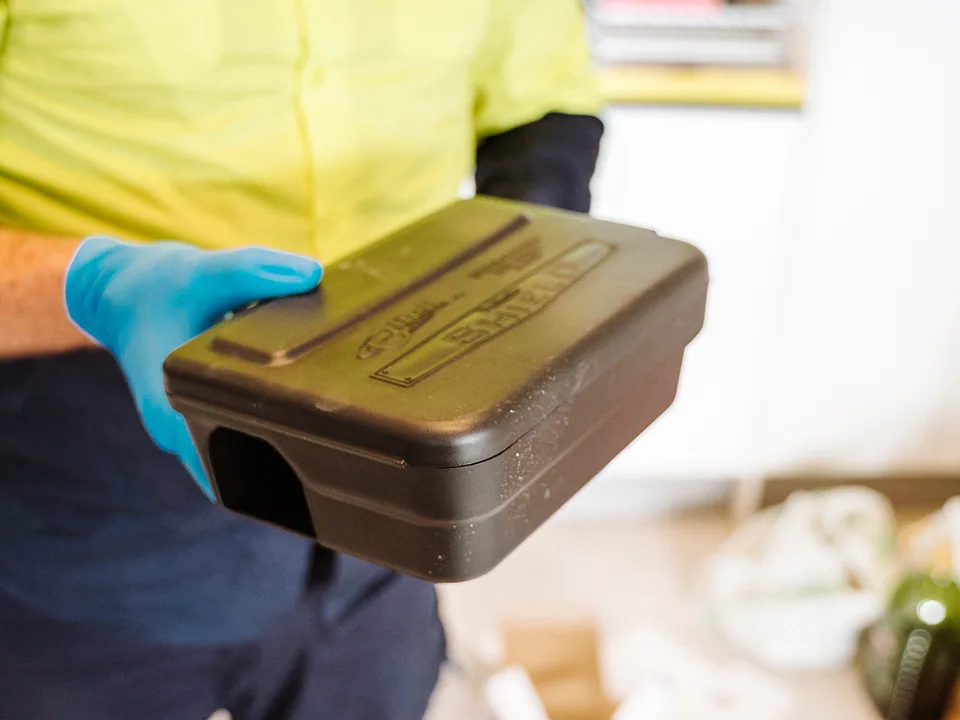
Bug Free treatment equipment and bait station products

Avoid DIY Pest Control Measures

We know that when you spot pests it can be tempting to reach for over-the-counter solutions. However, we advise against this as it can make the infestation much worse. Supermarket pesticide sprays are formulated to target what's visible, and not the root cause. By doing so, the infestation remains untouched and can grow rapidly within the environment.

Alongside this, it's easy to misdiagnose the pest which means that it will have no effect. What's more is that poor application of the product can lead to toxic, chemical fumes causing health hazards.

Keep Your Household Safe During Treatment

During and shortly after a pest treatment, pets and children cannot be near treatment areas. To keep them safe, it's key to wait 1-2 hours until the treatment is dry before they re-enter. However, this depends on where the area is treated, number of treated areas, weather conditions and type of product. All important information will be disclosed by the pest controller during the service.

*At All Pest Free, our solutions are safe for use in environments with children and pets once dried. On the day of service, we'll advise you on the length of the dry time. So you can return to day-to-day life with peace of mind.

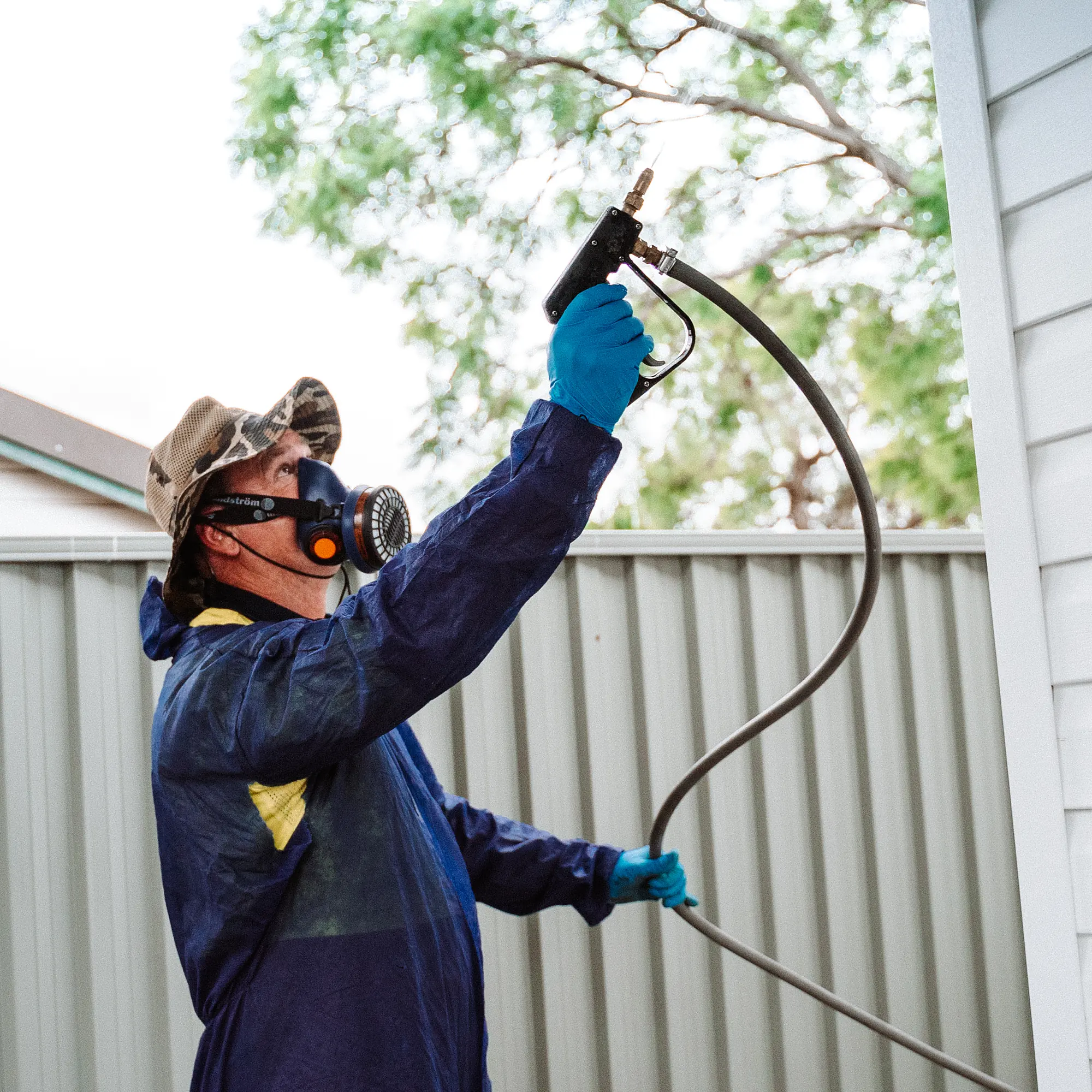
Bug Free technician applying a perimeter treatment to the eaves of a Sydney home

The Bottom Line: Continue Pest Prevention Post-Treatment

The first 24-48 hours

  • Once approved by the technician, ventilate the home
  • If any items were left out in treatment, be sure to wipe these down
  • Follow pest advice provided by the technician

The first 1-2 weeks

  • Avoid deep cleaning the edges of walls
  • Opt for dry vacuuming instead
  • Appropriate to remove spider webs

Ongoing care

  • Don't apply pest treatment, unless it's by a professional
  • Maintain a clean and sanitary environment
  • Empty laundry, and rubbish bins when they reach capacity
  • Maintain regular garden upkeep, such as lawn mowing
  • Make sure all entry points are sealed off

*In the first 48 hours post-treatment an increase in pest activity is completely normal. For more information, read "what if I see a pest after treatment?" or get in touch with our expert pest technicians.

For 24/7 Pest Controllers Ready for Dispatch, We're Here to Help!

Wondering how to manage a pest infestation? At All Pest Free, our team is here to help you. Don't delay addressing an infestation, with prompt solutions. From the beginning, we work closely with you so you can return to your day to day, and with peace of mind.

Contact us today!

Book pest control in Sydney today

Licensed technicians, fixed upfront pricing from $89, and treatments that are safe for your family and pets.